Overview
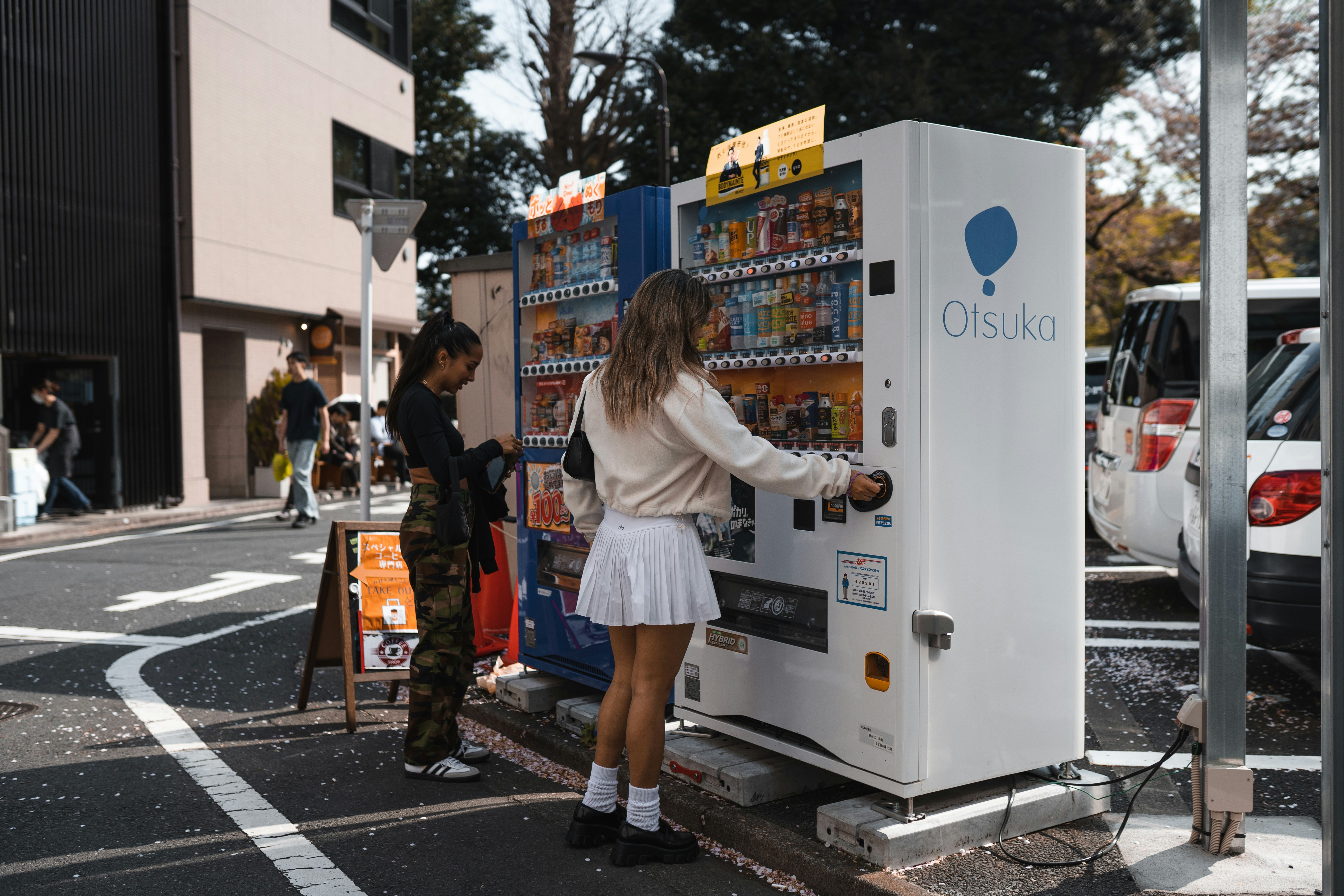
A vending machine business is a side hustle where you place vending machines in high-traffic locations and earn money whenever people purchase snacks, drinks, or other products from the machines.
This business model has remained popular for decades because it can generate relatively passive income once machines are installed in good locations.
Vending machines are commonly placed in:
Offices
Apartment buildings
Schools
Gyms
Laundromats
Hospitals
Factories
Shopping centers
Common vending products include:
Soft drinks
Water bottles
Chips
Candy
Energy drinks
Protein bars
Coffee
Small convenience items
One of the biggest advantages of a vending machine business is flexibility. After setup, most of the work involves restocking products and occasional maintenance.
Another major advantage is scalability. Many successful vending machine owners start with one machine and slowly expand into multiple locations.
A vending machine side hustle is ideal for:
Beginners
Working professionals
Students
Side hustlers
People looking for semi-passive income
Entrepreneurs interested in local businesses
Even people with full-time jobs can manage vending machines during evenings or weekends.
Startup Cost
The startup cost for a vending machine business can vary depending on whether you buy new or used machines.
Most beginners start with used vending machines because they are significantly cheaper.
Typical startup expenses include:
Vending machine purchase
Initial inventory
Transportation
Machine repairs or maintenance
Payment system setup
Used vending machines can often be found for a few hundred dollars, while newer machines may cost several thousand dollars.
Many beginners realistically start with:
One used machine
One good location
Small inventory investment
As your business grows, you may invest in:
More machines
Better payment systems
Branded vending machines
Inventory storage
Delivery equipment
Compared to opening a traditional retail store, vending machines require much lower overhead costs.
Difficulty Level
A vending machine business is generally considered beginner-friendly to intermediate.
The daily operations are relatively simple once the machines are installed. However, finding profitable locations is often the biggest challenge.
The biggest difficulties usually include:
Securing good locations
Managing inventory
Machine maintenance
Transportation logistics
Competition
A machine in a poor location may barely generate sales, while a machine in a busy area can become highly profitable.
The good news is that vending operations themselves are fairly straightforward and can be learned quickly.
Skills Needed
You do not need advanced technical skills to start a vending machine business, but several useful skills can improve your success significantly.
Important skills include:
Negotiation
Organization
Inventory management
Customer service
Problem solving
Basic maintenance
You should also understand:
Local demand
Product pricing
High-traffic areas
Restocking efficiency
Profit margins
Basic mechanical knowledge can also help because vending machines occasionally require repairs or troubleshooting.
Over time, you may also learn:
Route optimization
Supplier management
Business expansion
Cash flow management
Most of these skills improve naturally with experience.
Time to First Income
A vending machine business can generate income relatively quickly once your machine is installed and operational.
Some beginners start earning money within days after placing their first machine.
Your speed of profitability depends heavily on:
Location quality
Product selection
Foot traffic
Pricing
Competition
High-traffic locations typically perform much better than low-traffic areas.
Unlike many online businesses that take months to grow, vending machines can begin generating cash flow immediately.
Pros & Cons
One of the biggest advantages of a vending machine business is semi-passive income potential. Once machines are installed, daily involvement is relatively low.
Other major benefits include:
Flexible schedule
Scalable business model
Predictable recurring income
Beginner-friendly operations
Low employee requirements
Cash flow potential
Vending machines can also continue generating revenue even while you work another job.
However, there are also disadvantages.
Machines require upfront investment and occasional maintenance.
Other challenges include:
Location competition
Machine repairs
Theft or vandalism
Inventory management
Transportation costs
Success often depends heavily on finding profitable locations consistently.
How to Start
The first step is researching vending machine opportunities in your local area.
Look for places with:
High foot traffic
Long waiting times
Limited food options
Employees or visitors spending time regularly
Good beginner locations include:
Small offices
Apartment complexes
Gyms
Laundromats
Repair shops
Next, decide what type of vending machine you want.
Common machine types include:
Snack machines
Drink machines
Combo machines
Specialty vending machines
Many beginners start with combo machines because they can sell both drinks and snacks.
After choosing your machine type, purchase a used or affordable vending machine.
You can often find machines through:
Craigslist
Local vending suppliers
Online vending communities
Before purchasing, check:
Machine condition
Payment systems
Cooling systems
Product capacity
Repair history
The next step is securing a location.
Most vending owners contact local businesses directly and offer:
Free machine placement
Revenue sharing
Employee convenience benefits
Good communication and professionalism are extremely important when negotiating locations.
Once your machine is installed, stock it with products that match local demand.
Popular products include:
Energy drinks
Water bottles
Chips
Candy
Protein bars
Monitor which products sell best and adjust inventory accordingly.
As your business grows, focus on:
Expanding locations
Improving product selection
Optimizing restocking routes
Upgrading machines
Many successful vending machine owners eventually operate dozens or even hundreds of machines.
Best Tools & Platforms
Machine sourcing:
Payment systems:
Business management:
Navigation tools:
Learning resources:
These tools help you find machines, manage inventory, process payments, and organize routes efficiently.
Income Potential
The income potential for a vending machine business depends on:
Location quality
Number of machines
Product pricing
Foot traffic
Inventory management
Beginners may initially earn between $100 and $1,000 per month from one or two machines.
Intermediate operators often generate between $2,000 and $10,000 per month with multiple locations.
Large vending businesses with dozens of machines can generate six figures annually through:
Snack sales
Drink sales
Specialty vending
Corporate contracts
Because vending machines can scale gradually over time, many people build the business alongside full-time jobs.
Final Thoughts
A vending machine side hustle is one of the best semi-passive local businesses because it combines recurring income potential, flexible schedules, and scalability.
You do not need advanced education, large teams, or a physical storefront to get started. The most important factor is securing profitable locations with consistent foot traffic.
Although there are upfront costs and occasional maintenance responsibilities, vending machines can become reliable income-producing assets over time.
With patience, smart location selection, and consistent management, a small vending machine side hustle can eventually grow into a highly profitable local business.