Overview
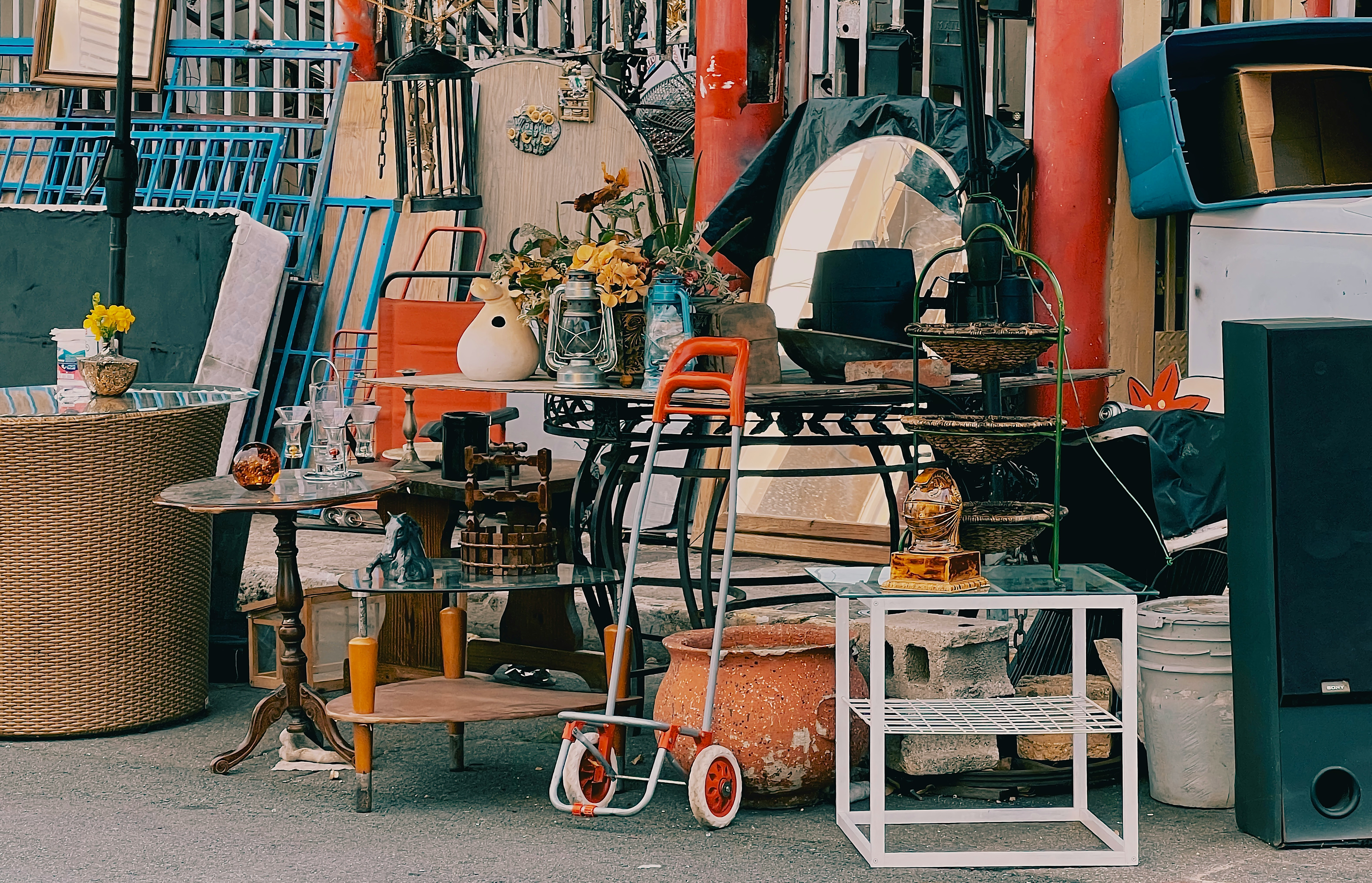
A furniture flipping business is a side hustle where you buy cheap or free furniture, improve its appearance or condition, and then resell it for a profit. It is one of the most beginner-friendly businesses because you can start with very little money and scale gradually over time.
Furniture flippers typically find undervalued furniture through:
Facebook Marketplace
Garage sales
Thrift stores
Craigslist
Estate sales
Free curbside pickups
After acquiring furniture, they clean, repaint, repair, or modernize the pieces before reselling them at a higher price.
Examples of commonly flipped furniture include:
Dressers
Coffee tables
Desks
Dining tables
Chairs
Shelves
Nightstands
One of the biggest advantages of furniture flipping is low startup cost. Many successful flippers begin by using free furniture found online or locally.
Another major advantage is fast cash flow. Unlike some online businesses that take months to generate income, furniture can often be sold within days after improvement.
Furniture flipping is ideal for:
Students
Beginners
Side hustlers
Creative people
DIY enthusiasts
People looking for weekend income
Even people with no woodworking experience can start with simple cosmetic upgrades like cleaning, painting, or replacing handles.
Startup Cost
A furniture flipping business can be started with very little money.
Some beginners even start completely free by flipping furniture they find through local giveaway listings.
Typical startup expenses may include:
Sandpaper
Paint
Brushes
Cleaning supplies
Screwdrivers
Furniture repair materials
Transportation costs
Most beginners can realistically start with less than $100.
As your business grows, you may invest in:
Power tools
Better paint sprayers
Storage space
Delivery equipment
Larger inventory
One of the best parts of furniture flipping is that profits from early sales can be reinvested into larger and more profitable flips.
Difficulty Level
Furniture flipping is generally considered beginner-friendly.
You do not need advanced technical skills or certifications to start. Many successful flippers learn through YouTube tutorials and hands-on experience.
The biggest challenges usually include:
Finding profitable furniture
Transporting large items
Learning basic repairs
Pricing correctly
Selling consistently
However, most beginner flips only require simple improvements such as:
Cleaning
Painting
Replacing knobs
Tightening screws
Minor repairs
As your skills improve, you can eventually work on more valuable pieces and increase profit margins.
Skills Needed
You do not need professional carpentry skills to start furniture flipping, but several useful skills can improve your success significantly.
Important skills include:
Basic DIY repairs
Painting
Creativity
Negotiation
Photography
Selling
You should also understand:
Furniture trends
Local market demand
Pricing
Customer communication
Basic design sense is especially useful because modern-looking furniture usually sells faster.
Good product photos are also extremely important because most sales happen online through local marketplaces.
Over time, you may also learn:
Wood repair
Upholstery
Furniture restoration
Marketing
Refinishing techniques
Most of these skills improve naturally through practice.
Time to First Income
A furniture flipping business can generate income very quickly compared to many online businesses.
Some beginners make their first sale within days after posting flipped furniture online.
Your speed of success depends heavily on:
Product quality
Local demand
Pricing
Photos
Platform usage
The advantage of furniture flipping is immediate cash flow. You can often buy, improve, and sell a piece within a single weekend.
Smaller furniture items usually sell faster because they are easier for buyers to transport.
Pros & Cons
One of the biggest advantages of furniture flipping is low startup cost. Many people begin using free or cheap furniture from local listings.
Other major benefits include:
Fast cash flow
Beginner-friendly
Flexible schedule
Creative work
Local demand
Ability to scale gradually
Potential for high profit margins
Furniture flipping can also become enjoyable because many people like transforming old furniture into modern-looking pieces.
However, there are also disadvantages.
Furniture can be physically heavy and difficult to transport.
Other challenges include:
Storage space
Delivery logistics
Inconsistent inventory
Physical labor
Damage risks
Time spent meeting buyers
Success often depends heavily on finding undervalued furniture consistently.
How to Start
The first step is searching for cheap or free furniture locally.
Popular places to find inventory include:
Garage sales
Craigslist
Thrift stores
Estate sales
Local giveaway groups
When starting out, focus on furniture that:
Looks modern after simple upgrades
Has solid structure
Needs mostly cosmetic improvements
Fits in regular vehicles if possible
Avoid heavily damaged furniture initially because repairs can become expensive and time-consuming.
Once you acquire furniture, clean it thoroughly.
Simple improvements can dramatically increase value, such as:
Repainting
Replacing knobs
Adding modern hardware
Sanding surfaces
Tightening loose parts
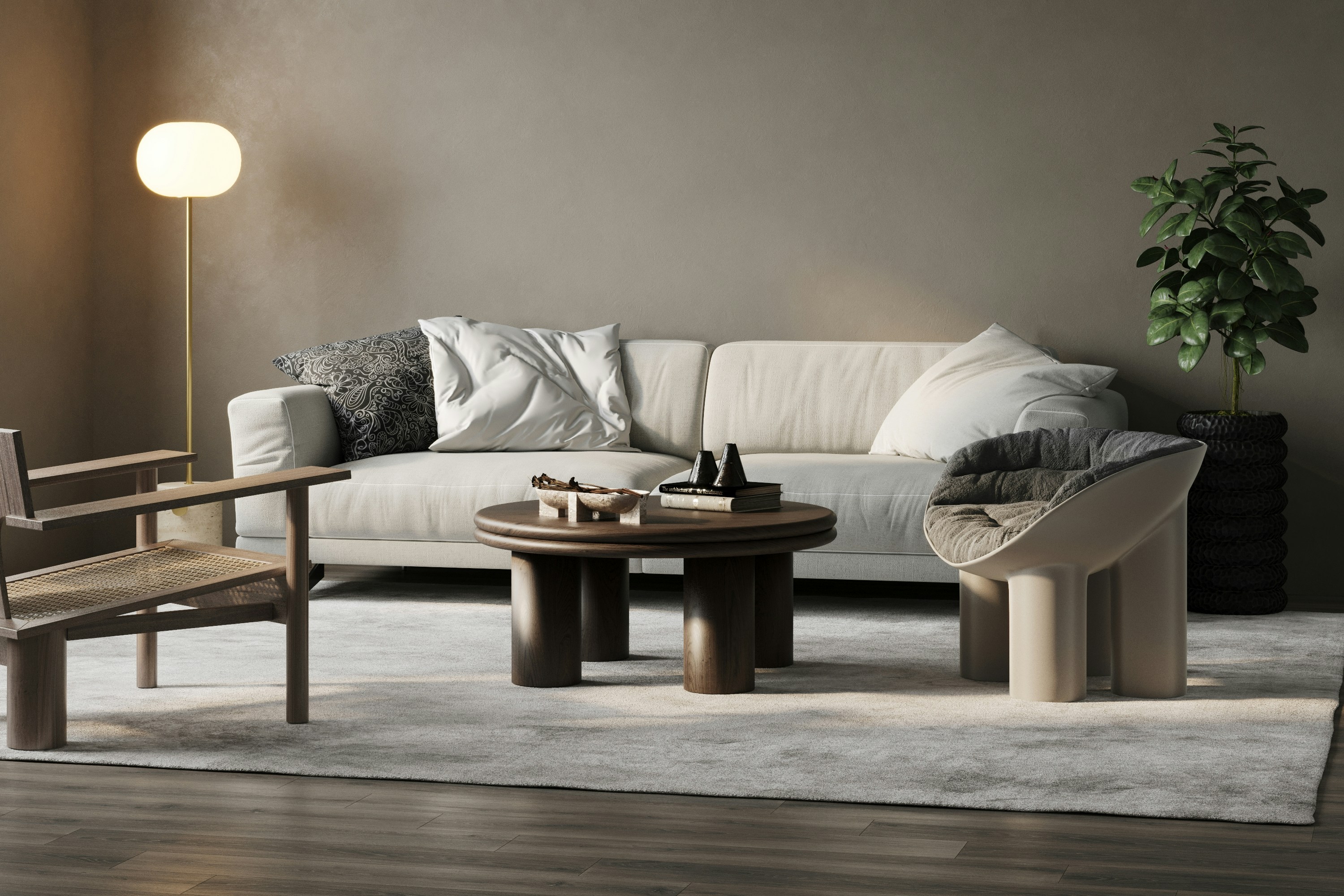
Neutral colors like white, black, gray, or beige often perform well because they appeal to more buyers.
After improving the furniture, take high-quality photos in good lighting.
Your photos should:
Show multiple angles
Highlight details
Look clean and bright
Show the furniture in realistic settings if possible
Next, list the furniture online.
Popular selling platforms include:
Your listing should include:
Clear title
Measurements
Condition
Improvements made
Pickup or delivery details
Pricing is important. Research similar listings locally before setting prices.
As you gain experience, focus on:
Faster turnaround times
Better furniture selection
Improved photography
Higher-end pieces
More efficient repairs
Many successful furniture flippers eventually expand into:
Home decor businesses
Vintage furniture stores
Local workshops
Custom furniture brands
Some even turn the side hustle into full-time businesses.
Best Tools & Platforms
Marketplaces:
Design inspiration:
Photo editing:
DIY learning:
Payment tools:
Cash payments
These tools help you source furniture, learn restoration techniques, market products, and manage sales professionally.
Income Potential
The income potential for a furniture flipping business depends on:
Inventory quality
Local demand
Skill level
Pricing
Sales volume
Beginners may initially earn between $100 and $1,000 per month flipping a few pieces part-time.
Intermediate flippers often generate between $2,000 and $10,000 per month with consistent inventory and larger furniture projects.
Experienced furniture flippers with teams or workshops can earn six figures annually through:
Furniture sales
Custom refinishing
Delivery services
Vintage furniture businesses
Because profit margins can be high on undervalued furniture, the business can become surprisingly profitable over time.
Final Thoughts
A furniture flipping business is one of the best beginner-friendly side hustles because it combines low startup costs, fast cash flow, and strong local demand.
You do not need advanced technical skills, expensive equipment, or large investments to get started. Many successful flippers begin with free furniture and basic cosmetic improvements.
Although the work can sometimes be physical, furniture flipping offers an accessible path to earning extra income while learning valuable business and DIY skills.
With consistency, creativity, and smart sourcing, a small furniture flipping side hustle can eventually grow into a highly profitable local business.