Overview
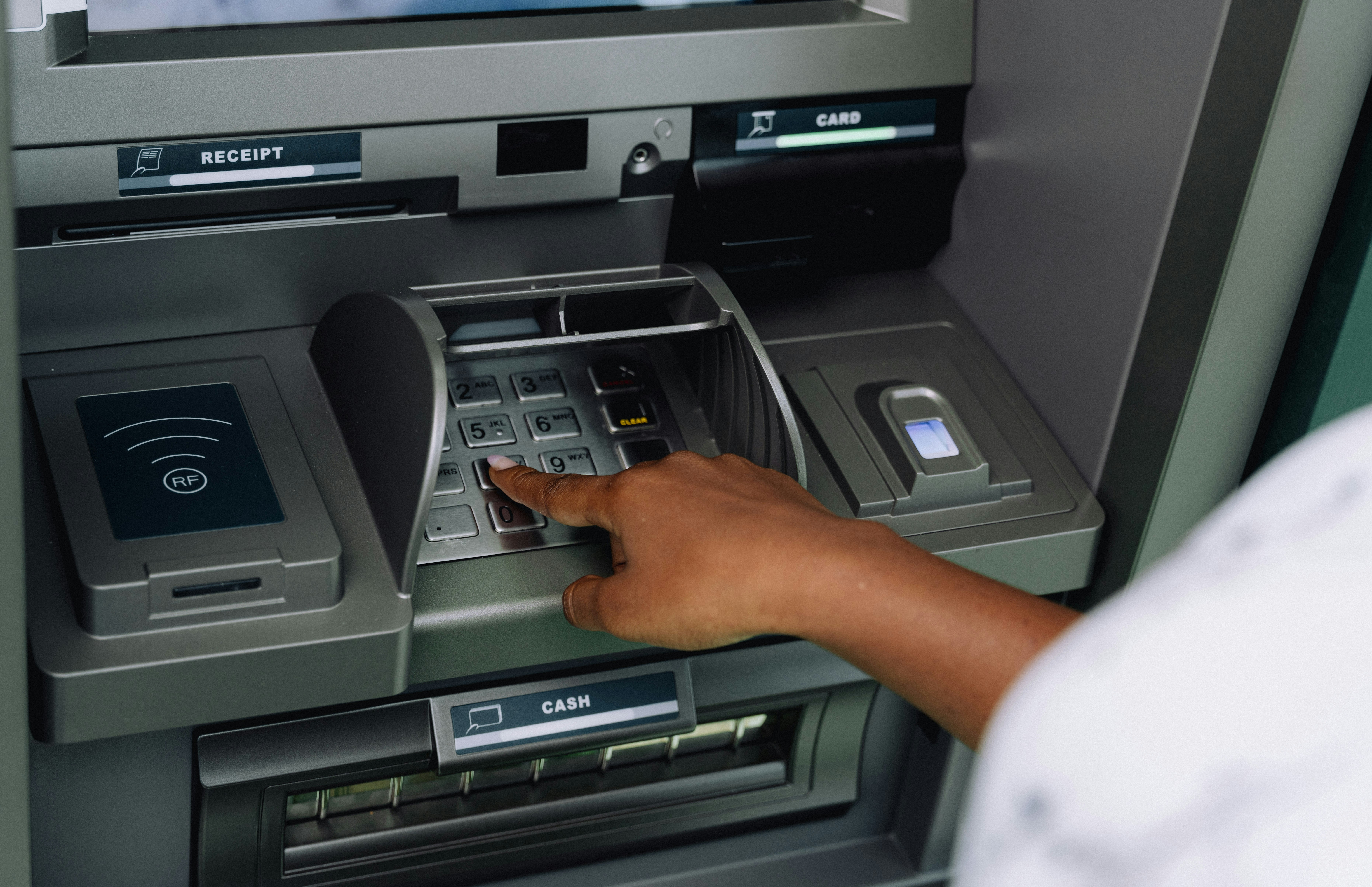
An ATM machine business is a semi-passive financial services business where you own ATM machines placed in high-traffic locations and earn money from transaction fees.
Whenever customers withdraw cash from your ATM, they pay a surcharge fee, and you receive a portion or all of that fee depending on your setup.
ATM machines are commonly placed in:
Convenience stores
Gas stations
Shopping centers
Restaurants and bars
Hotels
Nightclubs
Tourist areas
Event venues
Many businesses prefer having ATMs because:
Customers spend more cash in-store
Businesses receive additional convenience traffic
ATM owners often share revenue with the location owner
This business is considered semi-passive because after setup, ongoing work mainly involves:
Refilling cash
Monitoring machine performance
Maintenance and repairs
Managing transaction processing
This business is ideal for:
Entrepreneurs seeking recurring local income
Investors interested in cash-flow businesses
Beginners wanting scalable semi-passive businesses
People interested in asset-based operations
One of the biggest advantages is recurring income from every transaction without selling physical products.
Startup Cost
An ATM machine business usually requires moderate startup investment.
Typical costs include:
ATM machine purchase
Cash loading capital
Installation and setup
Processing network fees
Insurance and maintenance
Optional expenses:
Smart ATM monitoring software
Armored cash services
Branding and wraps
Additional machine expansion
Most beginners can start with approximately $2,000–$10,000 per machine depending on machine type and cash reserves.
Useful tools and platforms include:
Google Sheets for tracking revenue and transactions
Canva for branding and location proposals
Google Business Profile for local visibility and networking
Many successful ATM operators begin with one machine before expanding into multiple locations.
Difficulty Level
This business is relatively beginner-friendly because ATMs automate most customer interactions.
The setup process includes:
Purchasing machines
Finding profitable locations
Setting up processing systems
Managing cash loading
Monitoring transactions and maintenance
The biggest challenge is securing high-volume locations with frequent cash withdrawals.
Common difficulties include:
High upfront cash requirements
Maintenance and technical issues
Security concerns
Competition for premium locations
Compliance and banking regulations
However, strong locations can generate predictable recurring transaction income.
Skills Needed
You do not need advanced technical expertise to start.
Important skills include:
Organization
Financial management
Negotiation
Basic operational management
Attention to detail
Helpful skills:
Networking and sales
Security awareness
Route management
Data tracking and analytics
Most operational skills improve naturally with experience.
Time to First Income
ATM businesses can generate revenue immediately after installation and activation.
Possible timelines:
Immediate transaction income after setup
1–3 months for optimizing locations and surcharge pricing
6–12 months for expanding into multiple machines
Your speed depends on:
Location traffic volume
Surcharge fee strategy
Machine reliability
Cash management efficiency
Busy nightlife and tourist areas often generate especially strong ATM usage.
Pros & Cons
One of the biggest advantages of ATM businesses is recurring transaction-based income.
Other benefits include:
Semi-passive operations
Predictable cash flow
Scalable machine expansion
No inventory management
Strong demand in cash-heavy locations
This business can grow into:
Regional ATM route operations
Financial services businesses
Multi-city ATM networks
Full merchant services companies
However, there are challenges.
Main disadvantages include:
Upfront machine and cash investment
Security risks
Technical maintenance issues
Banking and compliance regulations
Dependence on cash transaction demand
Success depends heavily on securing profitable locations and managing operations efficiently.
How to Start
The first step is deciding where you want to place ATM machines.
Popular locations include:
Convenience stores
Restaurants and bars
Tourist attractions
Hotels and clubs
Shopping centers
Then:
Research local ATM demand and competition
Purchase reliable ATM machines
Arrange transaction processing services
Set surcharge fees and cash management systems
Next:
Negotiate agreements with business owners
Install and test machines
Monitor transactions regularly
Focus early on:
High-traffic locations
Machine uptime and reliability
Fast cash replenishment
Security and maintenance
Track:
Transaction volume
Cash refill schedules
Revenue per location
Machine performance
Once revenue grows:
Add additional ATM locations
Hire cash-loading or maintenance staff
Expand into premium venues
Create regional ATM routes
Best Tools & Platforms
Tracking and accounting:
Branding and proposals:
Local networking:
Communication:
These tools help ATM operators manage finances, relationships, and operations efficiently.
Income Potential
Income depends on transaction volume, surcharge pricing, and number of machines.
Single ATM machines may earn:
$100 to $1,000/month profit
Small ATM routes:
$2,000 to $20,000/month
Large ATM operations:
$100,000+/month
Premium nightlife and tourist locations can generate especially high transaction volume.
Final Thoughts
An ATM machine business is one of the strongest semi-passive local businesses because it generates recurring transaction income from automated financial services.
Although startup capital and security management are important, profitable locations can create highly predictable cash flow.
Success comes from securing strong placements, maintaining reliable machines, and scaling strategically.
With time and expansion, an ATM business can evolve into a highly scalable regional financial services operation with recurring monthly income.