Overview
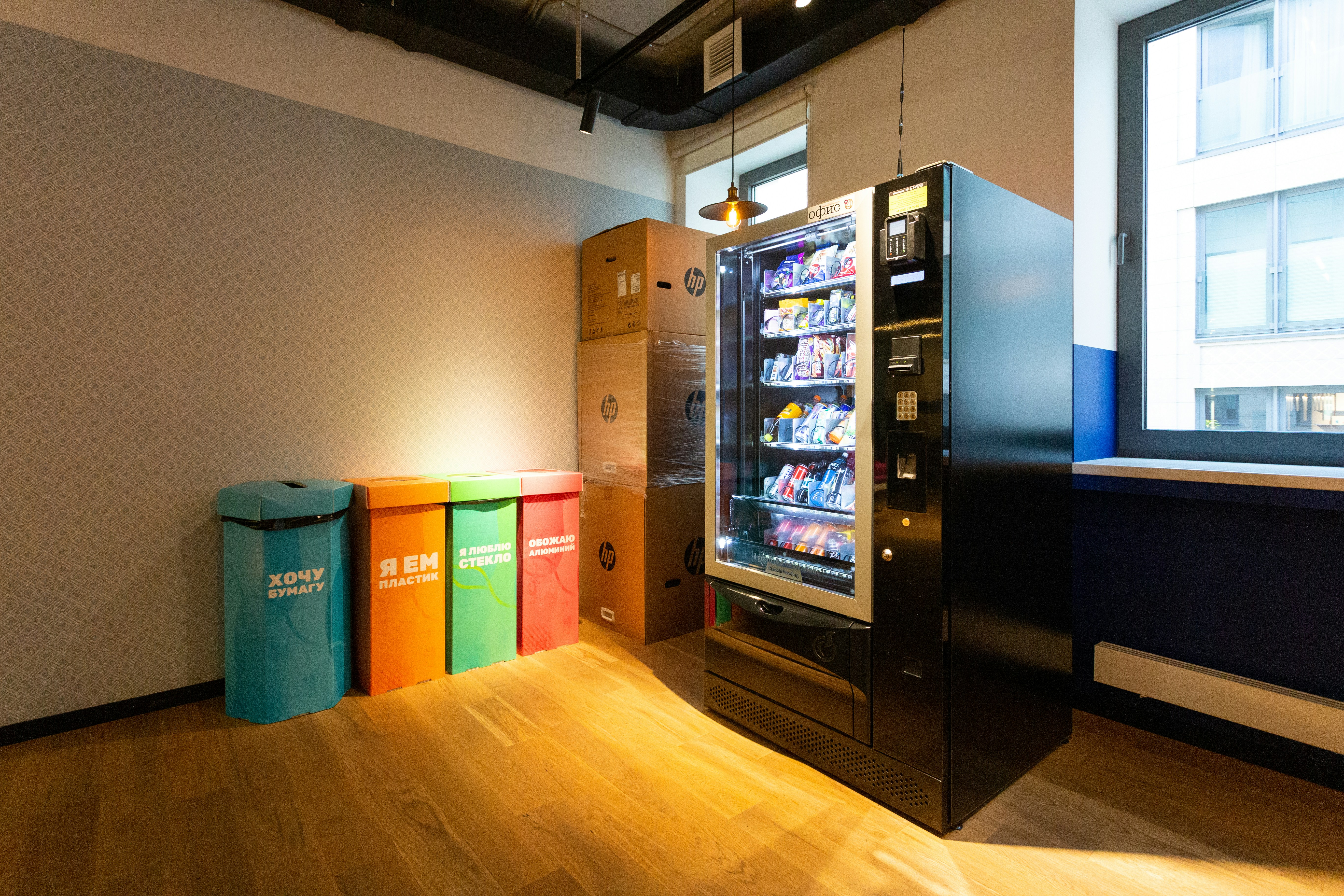
An automated vending machine business is a semi-passive local business where you own vending machines that sell products automatically without requiring a full-time employee.
Customers insert cash, cards, or digital payments to purchase items directly from the machine.
Vending machines are commonly placed in:
Offices
Schools and colleges
Hospitals
Gyms
Airports
Apartment complexes
Shopping malls
Factories and warehouses
Products sold may include:
Snacks and drinks
Coffee and beverages
Healthy foods
Electronics and accessories
Beauty products
Toys or novelty items
This business is considered semi-passive because after setup, most operations involve:
Restocking products
Machine maintenance
Collecting revenue
Monitoring inventory
This business is ideal for:
Entrepreneurs seeking recurring local income
Investors interested in asset-based businesses
Beginners wanting a scalable offline business
People looking for semi-automated operations
One of the biggest advantages is that a single machine can generate recurring income daily with minimal staffing.
Startup Cost
A vending machine business usually requires moderate startup investment.
Typical costs include:
Purchasing vending machines
Inventory and product stock
Transportation and installation
Payment system setup
Business licenses or permits
Optional expenses:
Smart inventory monitoring systems
Branding and machine wraps
Additional storage space
Staff or route management
Most beginners can start with approximately $1,000–$10,000 depending on machine quantity and type.
Useful tools and platforms include:
Square for payment processing systems
Canva for machine branding and promotional graphics
Google Sheets for inventory and revenue tracking
Many successful operators begin with one machine and scale gradually.
Difficulty Level
This business is relatively beginner-friendly because machines automate most customer interactions.
The setup process includes:
Purchasing machines
Finding profitable locations
Negotiating placement agreements
Restocking inventory regularly
Monitoring machine performance
The biggest challenge is securing high-traffic profitable locations.
Common difficulties include:
Location competition
Machine maintenance and repairs
Product spoilage or theft
Inventory management
Initial capital investment
However, once good locations are secured, machines can generate stable recurring income.
Skills Needed
You do not need advanced technical skills to start.
Important skills include:
Organization
Basic financial management
Negotiation
Inventory management
Customer service
Helpful skills:
Sales and networking
Route optimization
Equipment maintenance
Data tracking and analytics
Many operational skills improve naturally with experience.
Time to First Income
Vending machine businesses can generate income immediately after installation.
Possible timelines:
Immediate sales after setup
1–3 months for understanding profitable inventory
6–12 months for expanding machine routes and locations
Your speed depends on:
Machine location quality
Product pricing and selection
Traffic volume
Operational efficiency
High-traffic locations usually determine overall profitability.
Pros & Cons
One of the biggest advantages of vending machine businesses is semi-passive recurring income.
Other benefits include:
Automated sales process
Scalable business model
No full-time storefront required
Flexible working hours
Multiple product categories and niches
This business can grow into:
Regional vending routes
Smart vending technology businesses
Specialty vending brands
Franchise-style operations
However, there are challenges.
Main disadvantages include:
Upfront machine investment
Maintenance and repair costs
Product expiration and inventory waste
Location competition
Theft or vandalism risks
Success depends heavily on location quality, inventory management, and operational consistency.
How to Start
The first step is deciding what type of vending machines you want to operate.
Popular options include:
Snack and drink machines
Healthy vending machines
Coffee vending machines
Electronics accessory machines
Specialty product vending machines
Then:
Research profitable local locations
Contact businesses and property owners
Negotiate placement agreements
Next:
Purchase or lease vending machines
Stock products based on customer demand
Set pricing and payment systems
Focus early on:
Clean and reliable machines
Fast restocking
Popular product selection
Monitoring best-selling items
Track:
Daily sales
Product performance
Machine downtime
Profit margins
Once revenue grows:
Add more machines
Expand into new locations
Hire route operators
Implement smart inventory systems
Best Tools & Platforms
Payment systems:
Inventory tracking:
Branding and graphics:
Local marketing:
These tools help vending machine operators manage payments, inventory, and branding efficiently.
Income Potential
Income depends on machine quantity, product margins, and location quality.
Single machines may earn:
$50 to $500/month profit
Small vending routes:
$1,000 to $10,000/month
Large vending operations:
$50,000+/month
Premium locations and optimized product selection significantly improve profitability.
Final Thoughts
An automated vending machine business is one of the best semi-passive local businesses because machines can generate recurring daily income with relatively low labor requirements.
Although finding profitable locations takes effort, successful vending operators can build scalable recurring cash flow systems over time.
Success comes from strong locations, smart inventory management, and operational consistency.
With time and expansion, this business can evolve into a large regional vending operation with predictable recurring income.