Overview
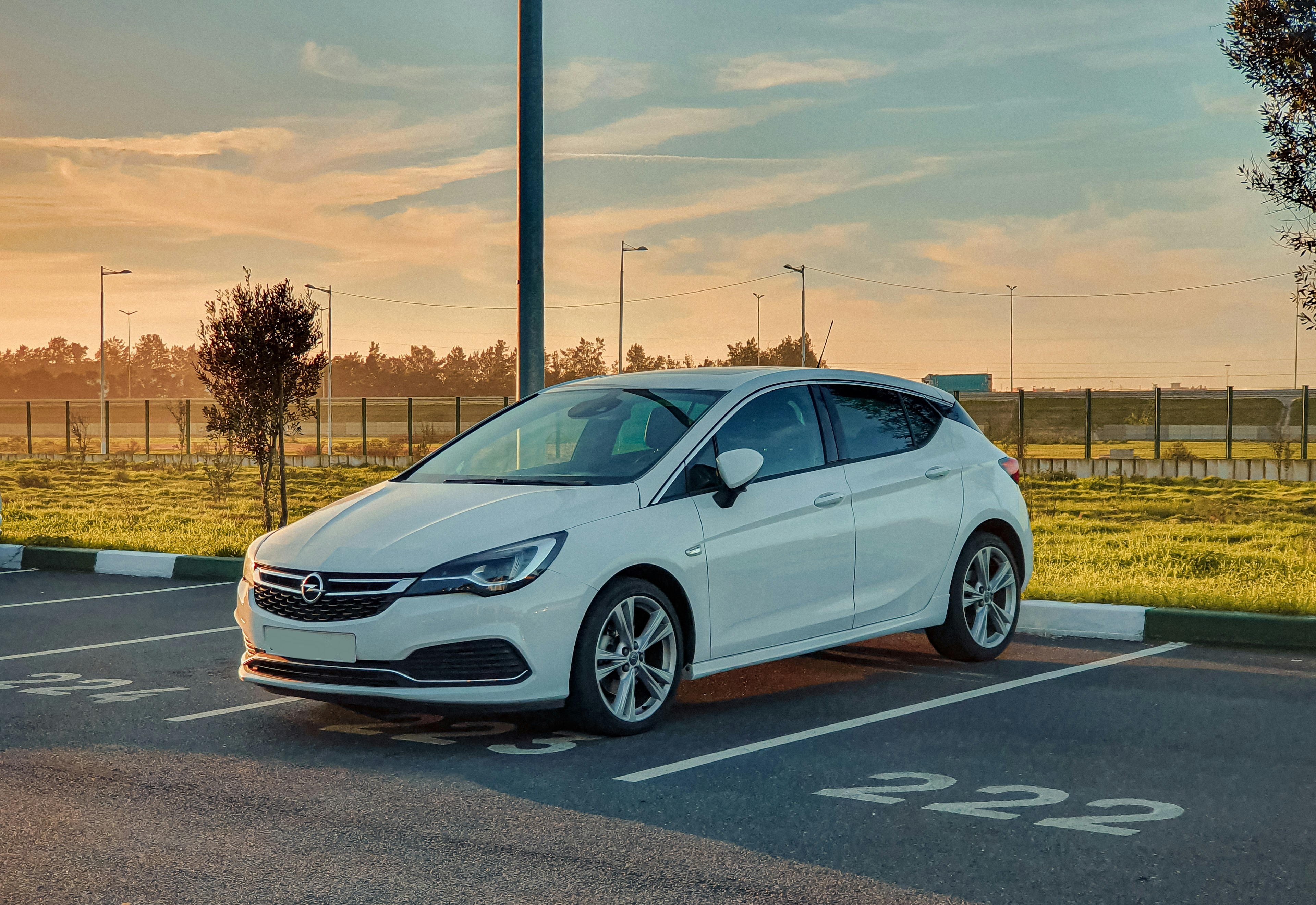
A car parking rental business is a passive or semi-passive business where you rent out parking spaces to drivers for hourly, daily, or monthly fees.
As cities become more crowded and parking shortages increase, parking spaces have become valuable real estate assets in many locations.
People regularly pay for parking near:
Office districts
Shopping centers
Airports
Train stations
Apartment complexes
Stadiums and event venues
Tourist attractions
Universities and colleges
This business can involve:
Renting privately owned parking spots
Leasing land for parking operations
Managing parking lots
Offering premium reserved parking services
Revenue models include:
Hourly parking fees
Monthly subscriptions
Event parking pricing
Long-term reserved parking contracts
This business is ideal for:
Property owners
Investors interested in recurring cash flow
Entrepreneurs seeking semi-passive local income
People with unused land or parking spaces
One of the biggest advantages is that parking rentals often require minimal daily labor after setup.
Startup Cost
Startup costs vary significantly depending on whether you already own parking spaces or need to lease or purchase property.
Typical costs include:
Parking lot or space acquisition
Security systems and cameras
Signage and payment systems
Lighting and maintenance
Insurance and permits
Optional expenses:
Automated entry systems
Parking management software
Security staff
Valet or premium services
Most beginners can start with approximately $500–$50,000+ depending on scale and property ownership.
Useful tools and platforms include:
Google Business Profile for local visibility
Square for payment processing
Canva for signage and promotional materials
Some entrepreneurs begin by renting out a single unused parking space before scaling into larger operations.
Difficulty Level
This business is relatively simple operationally, but success depends heavily on location quality.
The setup process includes:
Finding high-demand parking areas
Setting pricing structures
Managing access and payments
Maintaining security and cleanliness
The biggest challenge is acquiring profitable parking locations.
Common difficulties include:
Real estate costs
Local parking regulations
Security concerns
Seasonal demand fluctuations
Competition from nearby parking operators
However, strong locations can generate highly predictable recurring income.
Skills Needed
You do not need advanced technical skills to start.
Important skills include:
Organization
Customer service
Financial management
Negotiation
Local market research
Helpful skills:
Property management
Marketing and local advertising
Security and operations management
Business networking
Many operational tasks can eventually become automated.
Time to First Income
Parking rental businesses can generate revenue immediately after setup.
Possible timelines:
Immediate bookings after launch
1–3 months for consistent occupancy
6–12 months for expanding locations and recurring contracts
Your speed depends on:
Location demand
Pricing strategy
Visibility and marketing
Accessibility and convenience
High-traffic urban areas usually generate the strongest demand.
Pros & Cons
One of the biggest advantages of parking rental businesses is predictable recurring income.
Other benefits include:
Semi-passive operations
Low staffing requirements
Recurring monthly customers
Real estate asset appreciation potential
Scalable location expansion
This business can grow into:
Multi-location parking operations
Event parking services
Smart parking technology businesses
Valet and transportation businesses
However, there are challenges.
Main disadvantages include:
High real estate costs in premium areas
Security and liability concerns
Maintenance and repair expenses
Dependence on location demand
Local zoning and permit restrictions
Success depends heavily on securing high-demand locations and managing operations efficiently.
How to Start
The first step is identifying areas with parking shortages or strong demand.
Good parking locations include:
Downtown business districts
Near public transportation
Stadiums and event centers
Tourist attractions
Apartment-heavy neighborhoods
Then:
Determine whether you will own, lease, or manage parking spaces
Research local parking regulations and permits
Install signage and payment systems
Next:
Set hourly or monthly pricing
Promote availability locally and online
Create easy payment options for customers
Focus early on:
Safety and lighting
Clear signage
Convenient access
Competitive pricing
Track:
Occupancy rates
Revenue per space
Peak demand times
Customer feedback
Once revenue grows:
Expand into additional lots or spaces
Add automated access systems
Offer premium reserved parking
Build partnerships with local businesses and events
Best Tools & Platforms
Payments:
Local visibility:
Design and signage:
Customer communication:
These tools help parking operators manage payments, visibility, and customer communication effectively.
Income Potential
Income depends heavily on location, occupancy rates, and number of spaces.
Single parking spaces may earn:
$50 to $500/month
Small parking lots:
$1,000 to $20,000/month
Large urban parking operations:
$100,000+/month
Event parking and premium urban locations can generate especially high profits.
Final Thoughts
A car parking rental business is one of the most overlooked passive income opportunities because parking demand continues increasing in crowded urban areas.
Although location quality is critical, successful parking operators can build highly predictable recurring income streams with relatively low labor requirements.
Success comes from securing valuable locations, maintaining safe operations, and optimizing occupancy rates.
With time and expansion, a parking rental business can evolve into a highly profitable real estate-based cash flow business with long-term income stability.