Overview
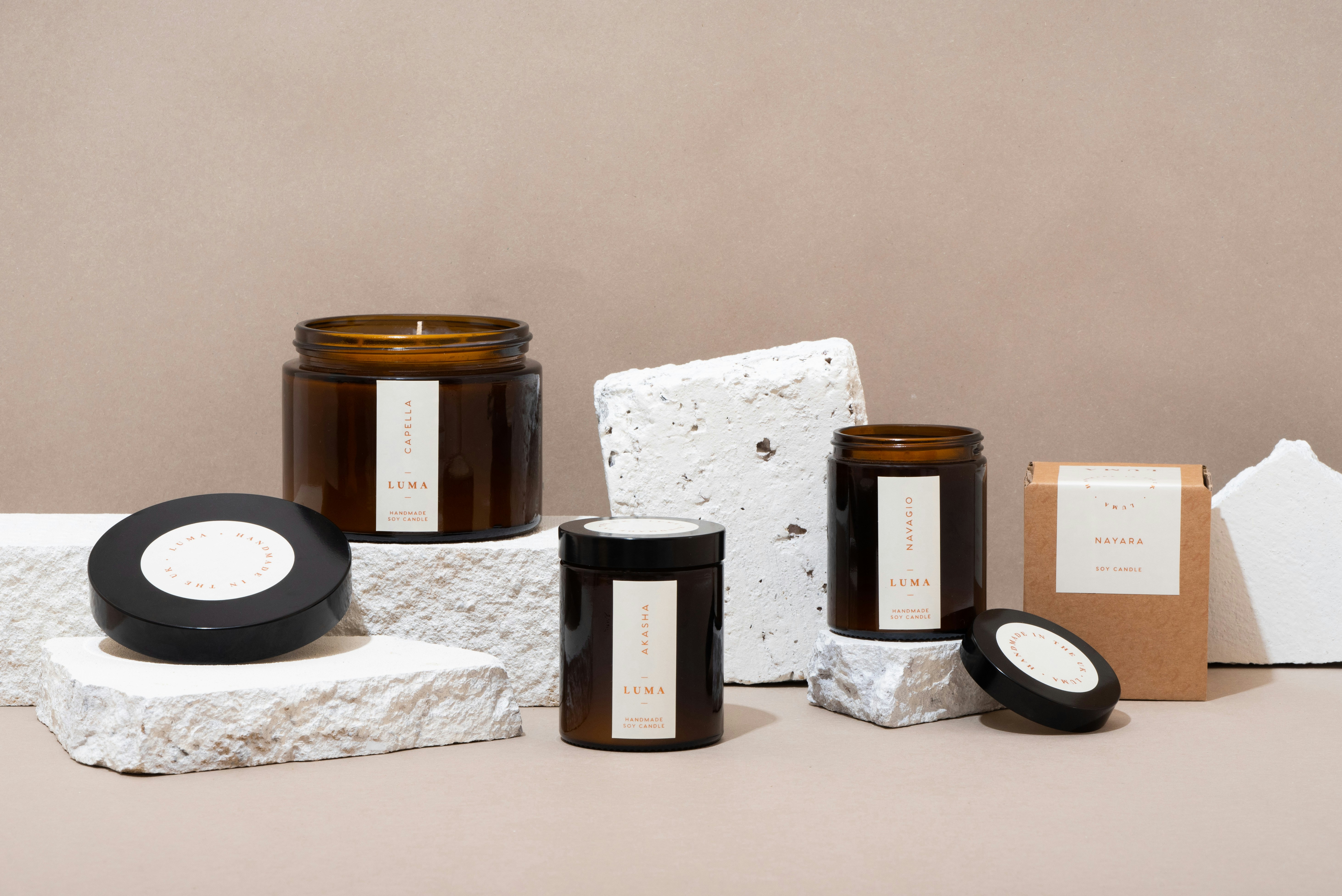
A candle brand is an ecommerce business where you sell scented, decorative, or luxury-style candles under your own brand name. Candles are not just functional products—they are strongly tied to mood, lifestyle, home aesthetics, and gifting.
This makes the candle industry highly brand-driven, where customers buy based on:
Scent experience
Packaging design
Emotional appeal
Lifestyle positioning
Common candle types include:
Scented aromatherapy candles
Luxury decorative candles
Minimalist aesthetic candles
Seasonal and festive candles
Gifting candle sets
A Shopify-based candle brand allows you to:
Build a premium lifestyle ecommerce store
Sell directly to global customers
Position your brand around aesthetics and mood
Scale into a full home fragrance brand
This business is ideal for:
Creative entrepreneurs
Lifestyle brand builders
Beginners in ecommerce
Side hustlers interested in home decor
People focused on aesthetics and branding
You do not need a factory to start—you can work with suppliers or small manufacturers who produce candles under your brand.
Startup Cost
A candle business requires moderate startup investment compared to digital products, but still remains accessible.
Typical costs include:
Initial inventory or sample order
Packaging and labeling design
Shopify store setup
Branding materials
Optional expenses:
Product photography
Paid ads
Influencer collaborations
Custom molds or fragrance development
Most beginners start with $150–$500 depending on product quality and sourcing approach.
To build your store, you will typically use:
Shopify as your ecommerce platform
Local or international candle manufacturers
Canva for branding, packaging design, and marketing creatives
Shopify is essential because it enables:
A professional lifestyle brand storefront
Product catalog management
Global ecommerce scaling
Integration with shipping and fulfillment systems
Difficulty Level
This business is moderately easy to start but requires strong branding to succeed.
The setup process includes:
Selecting candle types and scents
Finding reliable manufacturers or suppliers
Designing packaging and labels
Building a Shopify store
Creating product listings and branding
The biggest challenge is not production—it is creating a strong emotional brand that connects with customers.
Common challenges include:
Differentiating from competitors
Managing scent preferences and product variety
Packaging and shipping logistics
Building consistent brand identity
Scaling production with demand
However, once a strong brand is established, candles become highly repeatable and giftable products.
Skills Needed
You do not need technical skills, but branding ability is very important.
Important skills include:
Branding and aesthetic design thinking
Product positioning
Customer experience understanding
Basic ecommerce knowledge
Creativity
Helpful skills:
Copywriting for emotional marketing
Packaging design awareness
Social media marketing
Trend awareness in home decor and lifestyle
Most skills improve as you refine your brand over time.
Time to First Income
Time to first income depends on product readiness and marketing.
Possible timelines:
1–2 weeks if products are ready and marketing starts early
2–6 weeks for consistent sales
1–3 months for stable brand traction
Your speed depends on:
Brand positioning
Product presentation
Marketing strategy
Seasonal demand (candles sell well during festivals and winter)
Candles often perform best during gifting seasons and holidays.
Pros & Cons
One of the biggest advantages of a candle brand is strong emotional and aesthetic appeal, which makes it easier to build a premium brand identity.
Other benefits include:
High perceived value products
Strong gifting market demand
Excellent branding opportunities
Repeat purchase potential
Seasonal sales spikes
This business can grow into:
Luxury home fragrance brand
Lifestyle decor company
Gifting brand
International ecommerce brand
However, there are challenges.
Main disadvantages include:
Inventory and storage requirements
Product safety and shipping considerations
Need for strong branding investment
Competition in lifestyle markets
Managing production consistency
Success depends heavily on branding, scent quality, and packaging experience.
How to Start
The first step is choosing your candle niche and brand identity.
Popular niche directions include:
Luxury aesthetic candles
Minimalist home decor candles
Aromatherapy and wellness candles
Festival and seasonal collections
Gift-focused candle sets
Next, source products:
Local candle manufacturers
Small batch suppliers
Private label candle producers
Then design your brand identity:
Logo and packaging design
Label aesthetics
Brand storytelling
After that, build your store using:
Shopify as your core ecommerce platform
Then:
Upload product listings
Create high-quality lifestyle images
Write emotional, experience-driven descriptions
Marketing strategies include:
Instagram aesthetic reels
TikTok “relaxing home vibe” content
Influencer collaborations in home decor niche
Pinterest mood boards
Focus early on:
Emotional branding
Aesthetic visuals
Lifestyle positioning rather than product-only selling
Once traction builds:
Expand scent collections
Introduce gift bundles
Build seasonal product drops
Best Tools & Platforms
Store platform:
Design tools:
Supplier sources:
Local candle manufacturers
Private label suppliers
Marketing platforms:
These tools help you design, brand, and scale a candle business effectively.
Income Potential
Income depends heavily on branding strength and niche positioning.
Beginners may earn:
$50 to $300/month
Growing brands:
$500 to $5,000/month
Established candle brands:
$5,000 to $30,000+/month
High-end branding and gifting positioning can significantly increase margins.
Profit grows as repeat customers and seasonal demand increase.
Final Thoughts
A candle brand is one of the strongest lifestyle ecommerce businesses because it combines emotion, aesthetics, and gifting value.
With Shopify as your foundation, you can build a premium home fragrance brand that scales globally and positions itself in the lifestyle market.
Success depends on branding, storytelling, and product experience.
With consistent execution, this can grow into a highly profitable and long-term ecommerce brand.