Overview
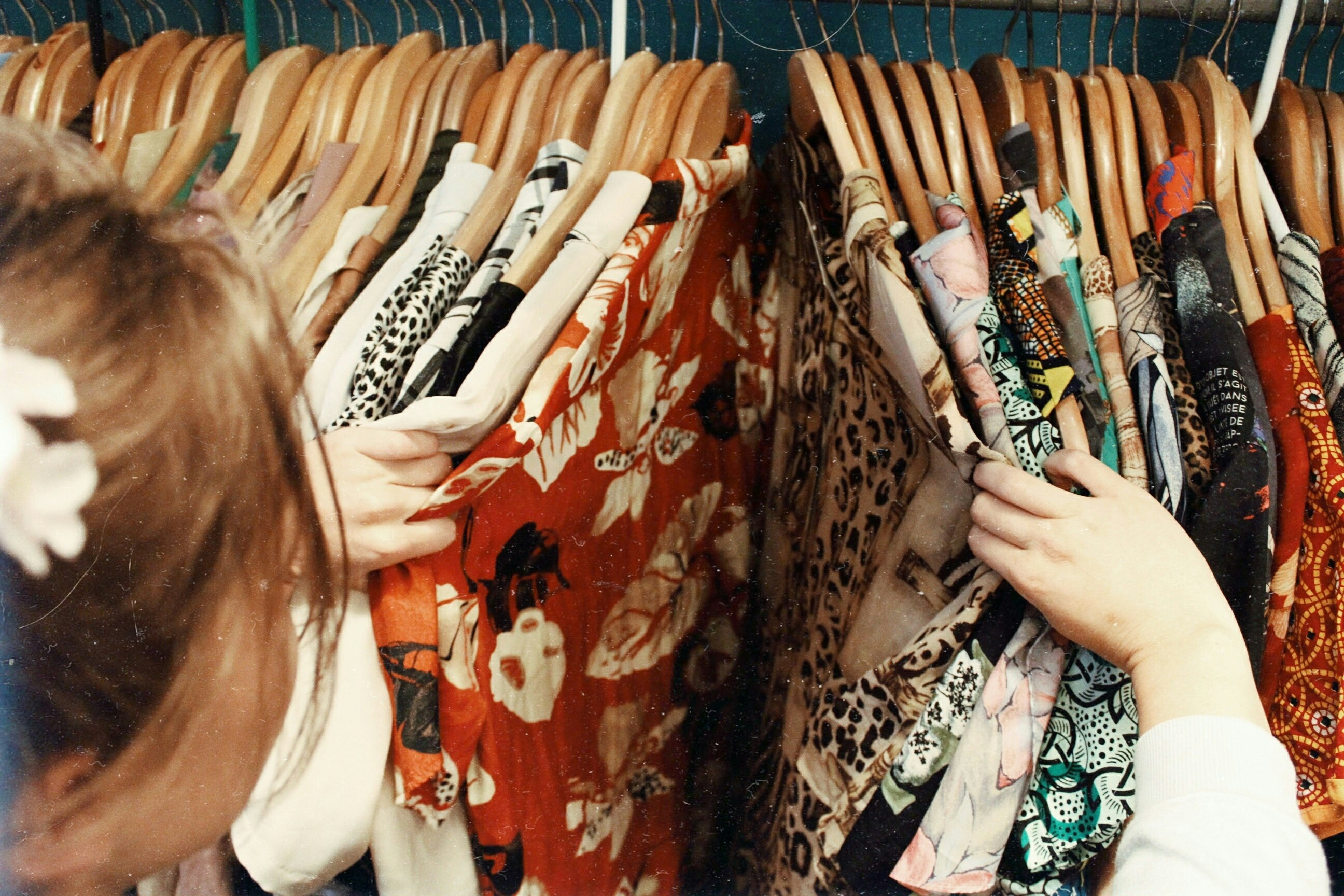
A vintage and thrift online store is an ecommerce business where you buy or source second-hand, pre-owned, or vintage items and resell them online at a higher price.
Unlike traditional retail, this business is built on:
Curation (selecting unique items)
Storytelling (adding value through presentation)
Rarity (limited or one-of-one products)
Common products include:
Vintage clothing and streetwear
Retro accessories and bags
Thrifted home decor items
Collectibles and rare pieces
Branded second-hand fashion
The key idea is simple: one person’s unused item becomes another person’s unique find.
A Shopify-based store allows you to:
Build a branded vintage fashion store
List unique one-of-one items
Manage inventory easily
Sell globally instead of only locally
This business is ideal for:
Fashion enthusiasts
Students
Side hustlers
Creative entrepreneurs
People interested in resale and styling
You don’t need to manufacture anything—you only need an eye for valuable or aesthetic items.
Startup Cost
This is a low-to-moderate investment ecommerce model depending on how you source inventory.
Typical costs include:
Initial inventory purchases (thrift or bulk sourcing)
Shopify store setup
Product photography setup
Packaging materials
Optional expenses:
Branding and logo design
Paid ads for traffic
Local sourcing travel costs
Most beginners start with $100–$500 depending on sourcing strategy.
To build your store, you will typically use:
Shopify as your main ecommerce platform
Local thrift stores, flea markets, or online resale platforms for sourcing
Canva for branding, product posts, and social media creatives
Shopify is important because it allows you to:
Create a professional fashion storefront
Sell unique, one-off items
Build a brand around curated fashion
Scale beyond local buyers
Difficulty Level
This business is moderately easy to start but requires strong curation skills.
The setup process includes:
Finding sourcing channels
Selecting quality vintage items
Cleaning and preparing products
Taking high-quality product photos
Listing items on your Shopify store
The biggest challenge is not technical—it is consistency in finding good inventory.
Common challenges include:
Inconsistent product availability
Time spent sourcing items
Pricing unique pieces correctly
Managing one-of-one inventory
Building a consistent aesthetic brand
However, once you build sourcing systems, it becomes much easier to scale.
Skills Needed
You don’t need formal business training, but you do need a strong eye for style and value.
Important skills include:
Fashion sense or aesthetic awareness
Product evaluation
Basic photography
Customer communication
Pricing intuition
Helpful skills:
Branding and storytelling
Social media marketing
Negotiation when sourcing items
Content creation for marketing
Most skills develop naturally as you explore thrift markets.
Time to First Income
Time to first income can be quite fast depending on sourcing speed.
Possible timelines:
A few days if you already have inventory
1–2 weeks with active sourcing and listing
3–6 weeks for consistent sales
Your speed depends on:
Quality of inventory found
Pricing strategy
Product presentation
Marketing consistency
Vintage stores can sell quickly if items are unique and well-presented.
Pros & Cons
One of the biggest advantages of this business is uniqueness—no two items are exactly the same, which creates scarcity and demand.
Other benefits include:
Low startup cost
Strong profit margins on rare items
Sustainable and eco-friendly business model
High branding potential
Easy to build loyal audience
This business can grow into:
Streetwear resale brand
Vintage fashion label
Curated lifestyle store
High-end thrift marketplace
However, there are challenges.
Main disadvantages include:
Limited and inconsistent inventory
Time-consuming sourcing process
Storage requirements
Harder to scale compared to digital products
Pricing variability depending on item condition
Success depends heavily on sourcing ability and brand positioning.
How to Start
The first step is choosing your niche style within vintage fashion.
Examples include:
Y2K fashion
Retro streetwear
Luxury thrift
Minimalist vintage decor
College thrift aesthetic
Next, start sourcing items:
Local thrift stores
Flea markets
Online resale platforms
Wardrobe clearouts
Then prepare products:
Clean and restore items
Take high-quality photos
Write storytelling-based descriptions
After that, build your store using:
Shopify as your ecommerce foundation
Then:
Upload curated listings
Create a consistent visual aesthetic
Set pricing based on rarity and demand
Marketing strategies include:
Instagram aesthetic pages
TikTok thrift haul videos
“Before and after” styling content
Influencer collaborations
Focus early on:
Strong brand identity
Consistent aesthetic
Storytelling for each item
Once traction builds:
Expand sourcing channels
Increase listing frequency
Build repeat customers
Best Tools & Platforms
Store platform:
Design tools:
Sourcing platforms:
Local thrift stores
Online resale marketplaces
Marketing platforms:
These tools help you build, present, and scale a vintage ecommerce brand.
Income Potential
Income varies based on sourcing quality and brand positioning.
Beginners may earn:
$100 to $500/month
Growing stores:
$1,000 to $5,000/month
Established vintage brands:
$5,000 to $20,000+/month
Rare item sourcing can significantly increase profit per sale.
This business scales best when combined with strong branding and social media presence.
Final Thoughts
A vintage and thrift online store is a powerful ecommerce model because it combines storytelling, sustainability, and uniqueness.
With Shopify as your foundation, you can turn curated second-hand items into a branded fashion business with global reach.
While sourcing consistency is the biggest challenge, strong branding and marketing can make this a highly profitable and creative ecommerce model.