
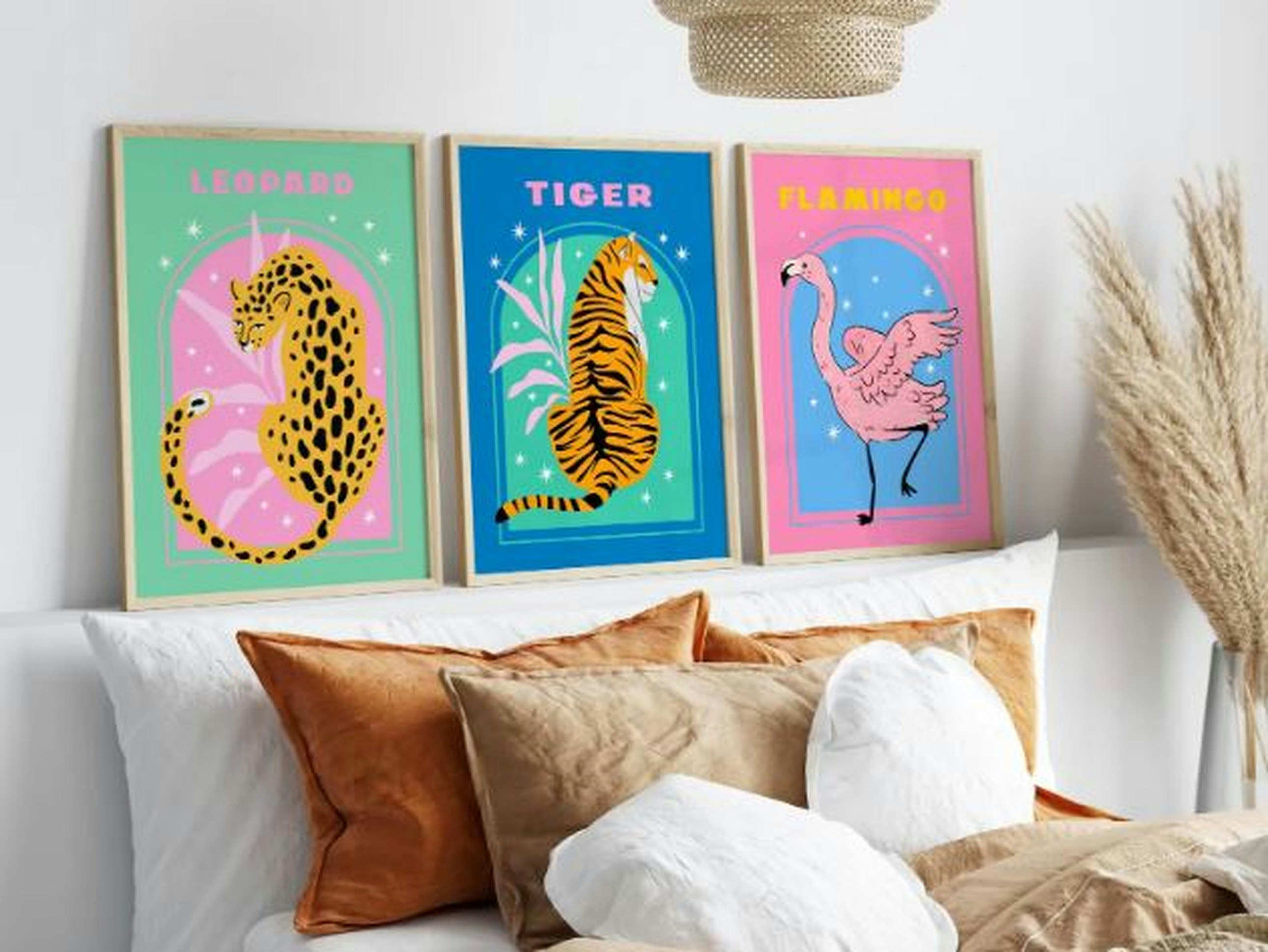
Overview
A wall art business is an ecommerce model where you sell artwork designed for home decor, office spaces, or gifting purposes. These products can be sold as digital downloads, printed posters, canvas prints, or framed art depending on your business model.
The core idea is simple: people want aesthetic, motivational, or personalized visuals to decorate their spaces, and you provide those designs in a ready-to-buy format.
Popular wall art categories include:
Minimalist aesthetic prints
Motivational quotes and typography art
Abstract and modern designs
Nature and landscape art
Personalized name or custom art pieces
A Shopify-based wall art store allows you to:
Sell digital or physical art products globally
Automate digital downloads instantly
Connect with print-on-demand providers for physical prints
Build a scalable home decor brand
This business is ideal for:
Creatives and designers
Beginners in ecommerce
Students and side hustlers
People interested in aesthetics and design
You do not need to be a professional artist—you can use design tools and AI-assisted creativity to produce high-quality visuals.
Startup Cost
A wall art business is one of the lowest-cost ecommerce models, especially if you start with digital products.
Typical costs include:
Shopify store subscription
Domain name
Design tools or software
Optional print-on-demand setup for physical products
Optional expenses:
Paid advertising
Premium design assets
Mockup tools for showcasing art
Most beginners start with $50–$200.
To build your store, you will typically use:
Shopify as your ecommerce platform
Canva or similar tools for designing artwork
Print-on-demand suppliers if selling physical prints
Shopify is essential because it enables:
A professional storefront for digital or physical art
Instant digital product delivery
Integration with fulfillment partners
Global scaling of a design-based brand
Difficulty Level
This business is easy to start but requires creativity and consistency.
The setup process includes:
Choosing an art niche
Creating or sourcing designs
Setting up a Shopify store
Uploading digital or print products
Creating product mockups and listings
The main challenge is not technical—it is creating designs that people find visually appealing and worth buying.
Common challenges include:
Standing out in a saturated design market
Creating consistent design styles
Marketing visual products effectively
Pricing digital vs physical products correctly
Building brand identity
However, once you develop a recognizable style, scaling becomes much easier.
Skills Needed
You do not need advanced artistic training to start.
Important skills include:
Basic design understanding
Creativity and visual thinking
Awareness of design trends
Product presentation skills
Basic ecommerce knowledge
Helpful skills:
Canva or design tool proficiency
Copywriting for product listings
Social media marketing
Understanding aesthetics and interior trends
Many successful sellers start with simple designs and improve over time.
Time to First Income
Time to first income depends on niche and marketing strategy.
Possible timelines:
A few days if using trending designs and social media
1–3 weeks with consistent posting and promotion
1–2 months for stable traffic and conversions
Your speed depends on:
Design quality
Niche selection (e.g., motivational vs aesthetic art)
Marketing consistency
Platform choice (Pinterest performs especially well)
Digital wall art can sell quickly due to instant delivery and low pricing friction.
Pros & Cons
One of the biggest advantages of wall art is that it scales easily, especially in digital format where there is no production cost per sale.
Other benefits include:
Extremely low startup cost
High profit margins (especially digital downloads)
No inventory requirements
Easy global reach
Strong demand in home decor market
This business can grow into:
Full home decor brand
Digital art marketplace
Print-on-demand lifestyle store
Interior design-focused ecommerce brand
However, there are challenges.
Main disadvantages include:
High competition in design niches
Need for strong visual appeal
Dependence on trends and aesthetics
Marketing reliance on visual platforms
Requires consistent design output
Success depends heavily on niche positioning and design quality.
How to Start
The first step is choosing your wall art niche.
Popular niches include:
Minimalist modern decor
Motivational quotes
Luxury aesthetic interiors
Nature and landscape themes
Personalized name art
Kids room art
Next, create your designs using tools like:
You can also explore AI-assisted design tools to speed up creation.
Then build your store using:
Shopify as your main ecommerce platform
After that:
Upload digital or print products
Create mockups showing art in real interiors
Write SEO-optimized product descriptions
Then focus on marketing:
Pinterest boards (very effective for home decor)
Instagram aesthetic pages
TikTok room makeover content
Influencer collaborations in interior/design niches
Focus early on:
Visual consistency
Strong aesthetic identity
Simple, clean product presentation
Once traction builds:
Expand design collections
Add print-on-demand physical products
Build seasonal collections (festivals, trends, events)
Best Tools & Platforms
Store platform:
Design tools:
Mockup tools:
Interior mockup generators
Print providers:
Print-on-demand services for posters and canvas prints
Marketing platforms:
These tools help you design, present, and scale a wall art ecommerce brand efficiently.
Income Potential
Income depends on design quality, niche, and traffic sources.
Beginners may earn:
$50 to $300/month
Growing stores:
$500 to $5,000/month
Established wall art brands:
$5,000 to $25,000+/month
Digital products typically scale faster due to zero fulfillment costs.
Profit increases significantly as your design library grows.
Final Thoughts
A wall art business is one of the most beginner-friendly ecommerce models because it combines creativity, low cost, and high scalability.
With Shopify as your foundation, you can build a digital or print-based home decor brand that sells globally without inventory constraints.
Success depends on strong aesthetics, niche clarity, and consistent marketing.
With the right execution, this can grow into a powerful design-driven ecommerce brand.