
Overview
A custom gift store is an ecommerce business where you sell personalized products designed specifically for individual customers. Instead of selling generic items, you offer products that can be customized with names, messages, photos, dates, or special designs.
Common products in this category include:
Name mugs and bottles
Personalized t-shirts and hoodies
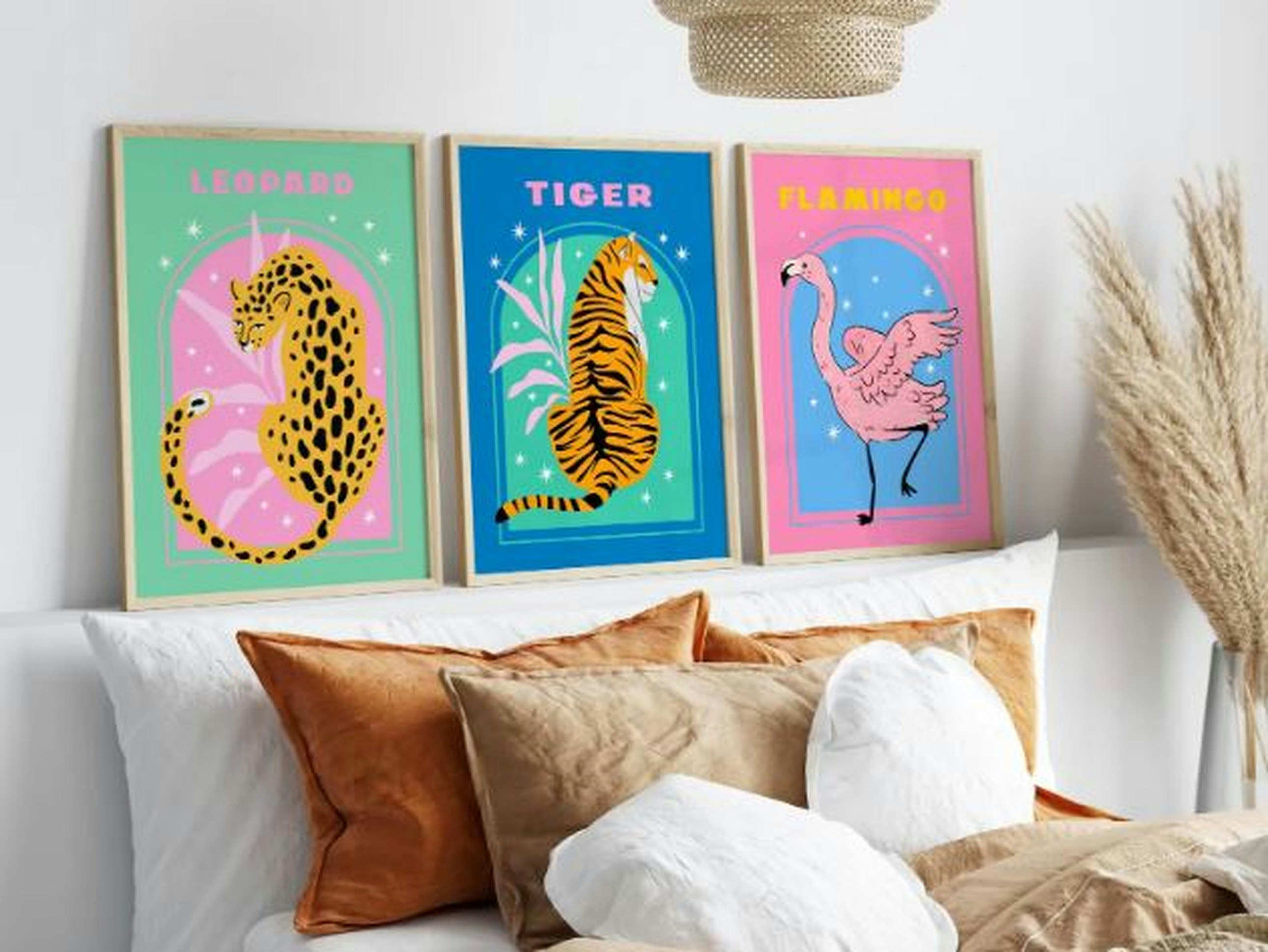
Custom posters and wall frames
Engraved jewelry and accessories
Birthday, anniversary, and wedding gifts
The main value of this business is emotional—people are not just buying a product, they are buying a memory or meaningful experience.
A Shopify-based custom gift store allows you to:
Create a branded gift store online
Automate custom order processing
Sell globally without physical retail
Integrate personalization apps for automation
This business works especially well for:
Gift-focused niches
Relationship-based occasions (birthdays, weddings, anniversaries)
Festival seasons (Christmas, Valentine’s Day, etc.)
Local and international gifting markets
You don’t need to manufacture products yourself—you can connect your store to print or engraving suppliers who fulfill orders on demand.
Startup Cost
The custom gift business is relatively low-cost, especially when using print-on-demand or third-party fulfillment.
Typical startup costs include:
Shopify store subscription
Domain name
Product personalization app fees (if needed)
Sample product testing
Optional expenses:
Branding and logo design
Paid advertising
Influencer promotions
Most beginners start with $50–$250.
To build your store, you will typically use:
Shopify as your ecommerce platform
Print-on-demand or local printing/engraving partners
Canva for designing personalized product previews and creatives
Shopify is essential because it enables:
Full ecommerce storefront creation
Integration with personalization tools
Automated order and payment handling
Scalable global selling system
Difficulty Level
This business is easy to start but requires attention to customer experience and product quality.
The setup process includes:
Choosing product categories
Setting up a Shopify store
Connecting personalization tools
Finding fulfillment partners
Designing product templates
The main challenge is not selling—it is ensuring accurate customization and smooth order fulfillment.
Common challenges include:
Managing personalized order errors
Longer production times compared to standard ecommerce
Supplier quality consistency
Customer service for custom requests
Seasonal demand fluctuations
However, once systems are set up properly, it becomes a highly stable ecommerce model.
Skills Needed
You do not need advanced technical skills to start.
Important skills include:
Basic ecommerce understanding
Customer communication
Attention to detail
Creativity in product design
Organization skills
Helpful skills:
Copywriting for emotional marketing
Basic design using tools like Canva
Understanding gifting psychology
Social media marketing
Most skills improve quickly through real-world orders and feedback.
Time to First Income
Time to first income depends on marketing and niche selection.
Possible timelines:
A few days if targeting seasonal demand
1–3 weeks with active social media marketing
1–2 months for consistent sales flow
Your speed depends on:
Product appeal
Emotional marketing strength
Timing (festivals or events)
Traffic sources
Custom gift stores often perform best during peak gifting seasons.
Pros & Cons
One of the biggest advantages of this business is emotional buying behavior, which increases conversion rates significantly.
Other benefits include:
High perceived product value
Strong emotional connection with customers
Excellent gifting market demand
Scalable product catalog
Works well with automation tools
This business can grow into:
Full gifting brand
Personalized ecommerce platform
Corporate gifting business
Seasonal ecommerce powerhouse
However, there are challenges.
Main disadvantages include:
Higher chance of fulfillment errors
Longer processing times
Customer expectations for personalization accuracy
Seasonal fluctuations in demand
Dependence on reliable suppliers
Success depends heavily on operational accuracy and customer experience.
How to Start
The first step is choosing a niche within gifting.
Good niche ideas include:
Birthday gifts
Couple and anniversary gifts
Pet lover gifts
Friendship gifts
Corporate gifting
Festival-themed gifts
Next, select your product types:
Mugs
T-shirts
Posters
Keychains
Jewelry
Then build your store using:
Shopify as your core ecommerce platform
After that:
Integrate personalization tools or apps
Set up product customization fields
Add sample designs and previews
Connect fulfillment partners
Then focus on marketing:
Instagram reels showing emotional gifting moments
TikTok “gift reaction” videos
Influencer collaborations
Seasonal campaigns
Focus early on:
Emotional storytelling
Visual product previews
Occasion-based targeting
Once you gain traction:
Expand product categories
Add more personalization options
Scale paid ads for festivals and events
Best Tools & Platforms
Store platform:
Design tools:
Fulfillment options:
Print-on-demand providers
Local printing and engraving partners
Marketing platforms:
These tools help you design, sell, and scale a personalized gifting business efficiently.
Income Potential
Income depends on niche, seasonality, and marketing strength.
Beginners may earn:
$50 to $500/month
Growing stores:
$1,000 to $10,000/month
Established gifting brands:
$10,000 to $50,000+/month
Festive seasons can significantly boost revenue.
Profit margins improve as branding and repeat customers grow.
Final Thoughts
A custom gift store is a powerful ecommerce model because it combines emotional value with scalable digital commerce.
With Shopify as your foundation, you can build a fully automated personalized gifting business that runs globally and scales with demand.
Success depends on emotional marketing, reliable fulfillment, and strong niche positioning.
When executed well, this can become a highly profitable evergreen and seasonal ecommerce brand.