Overview
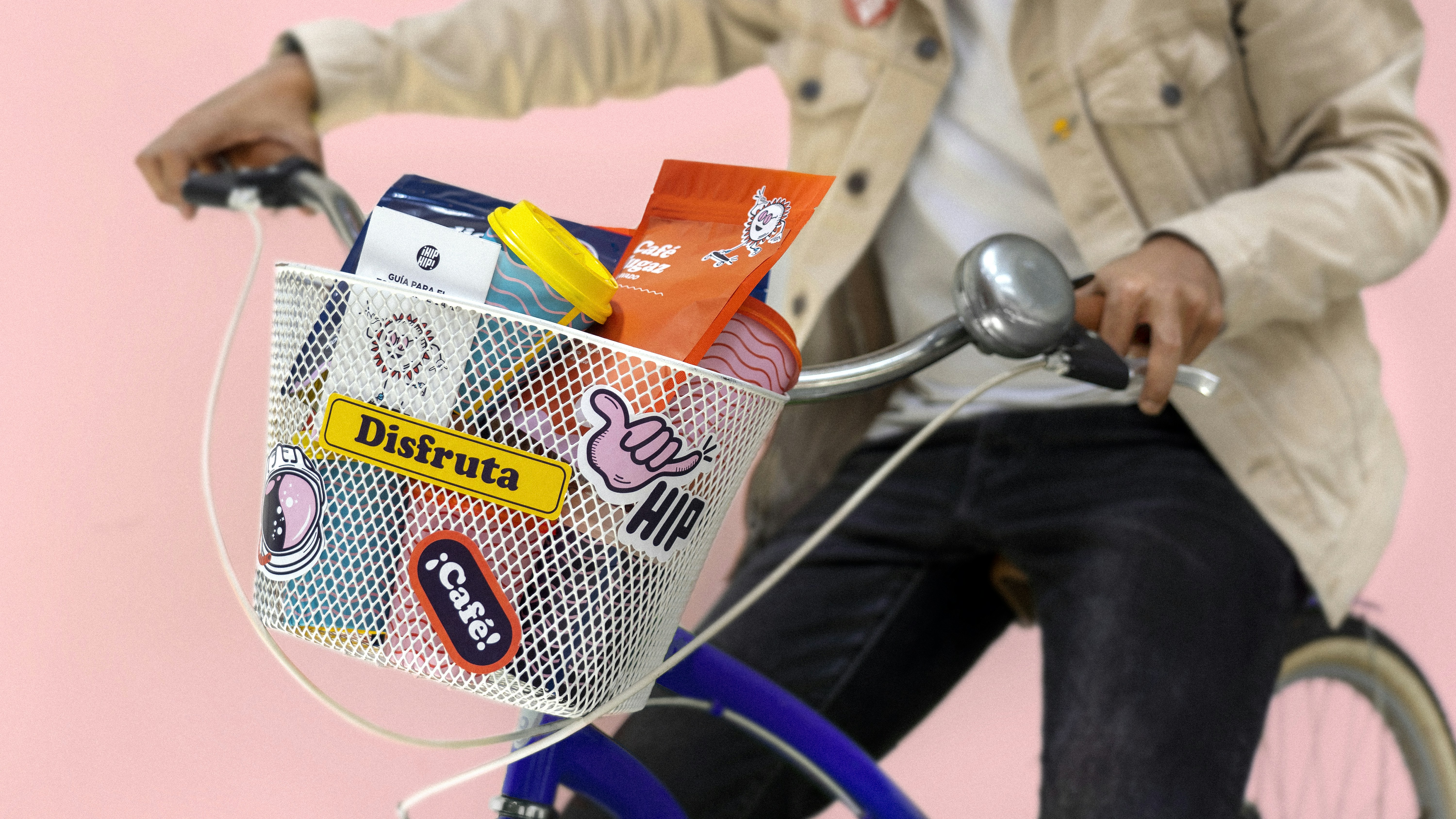
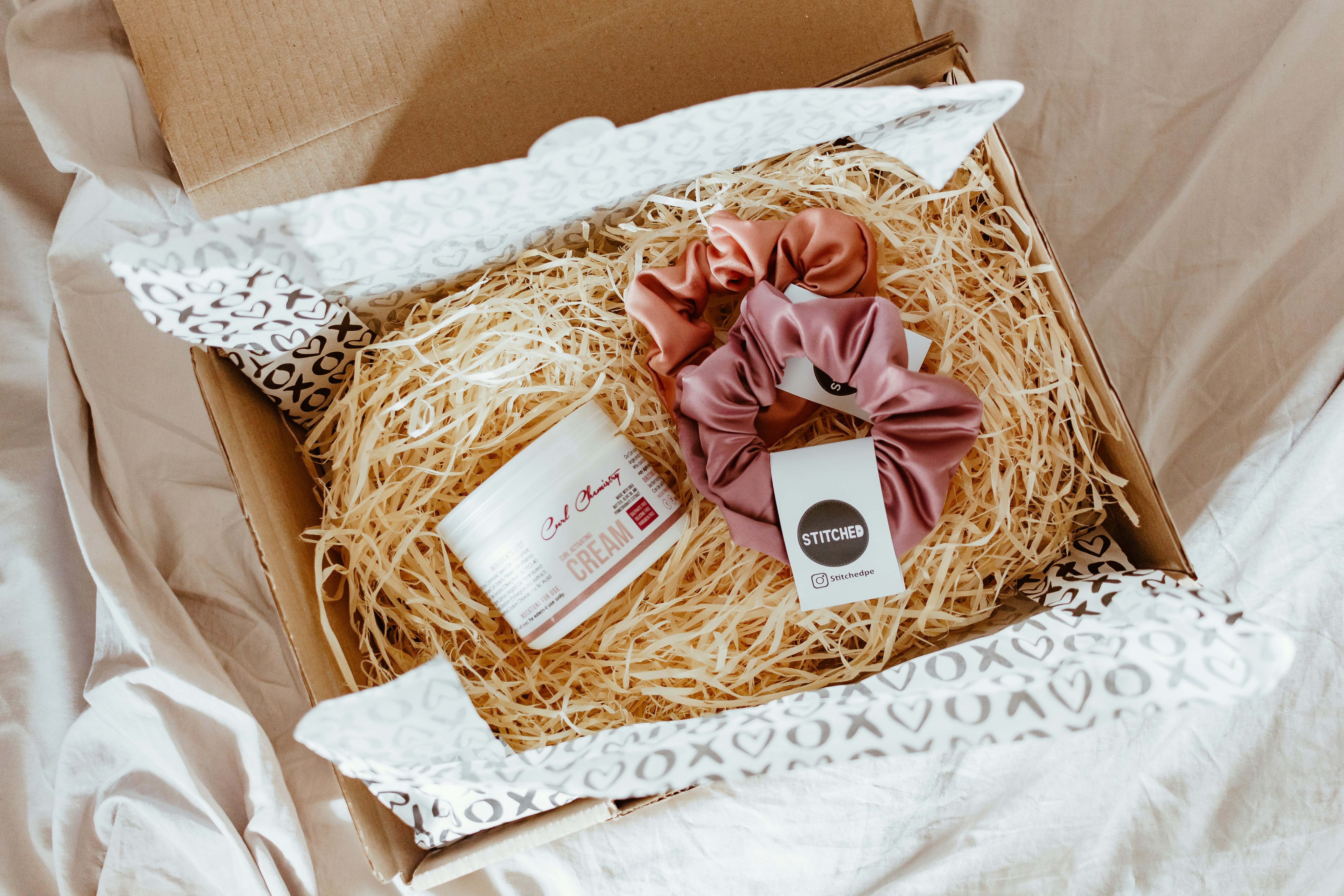
A niche subscription box business is an ecommerce model where customers subscribe to receive a curated box of products every week, month, or quarter.
Instead of selling one-time purchases, you create a recurring revenue system where customers keep paying as long as they stay subscribed.
Each box is usually built around a specific theme or niche, such as:
Fitness and wellness
Skincare and beauty
Snacks and food items
Books and learning kits
Pet care products
Hobby-based collections
The goal is to deliver surprise, value, and consistency in every box.
This business works because people enjoy:
Discovery of new products
Convenience of curated selections
The excitement of receiving surprise packages
A Shopify-based subscription box business allows you to:
Build a branded ecommerce store
Manage subscriptions automatically
Handle recurring payments
Scale globally with ease
This business is ideal for:
Beginners
Entrepreneurs
Lifestyle brand builders
Ecommerce startups
Side hustlers with creative ideas
You don’t need to manufacture products—you can source items from suppliers or wholesalers and curate them into themed boxes.
Startup Cost
A subscription box business requires slightly more startup effort than digital products, but still remains low-cost compared to traditional retail.
Typical costs include:
Online store setup
Initial product sourcing for first batch of boxes
Packaging materials
Branding and shipping supplies
Optional expenses:
Paid ads for customer acquisition
Subscription management apps
Influencer marketing
Most beginners start with $100–$300 depending on the niche.
To build your store, you will typically use:
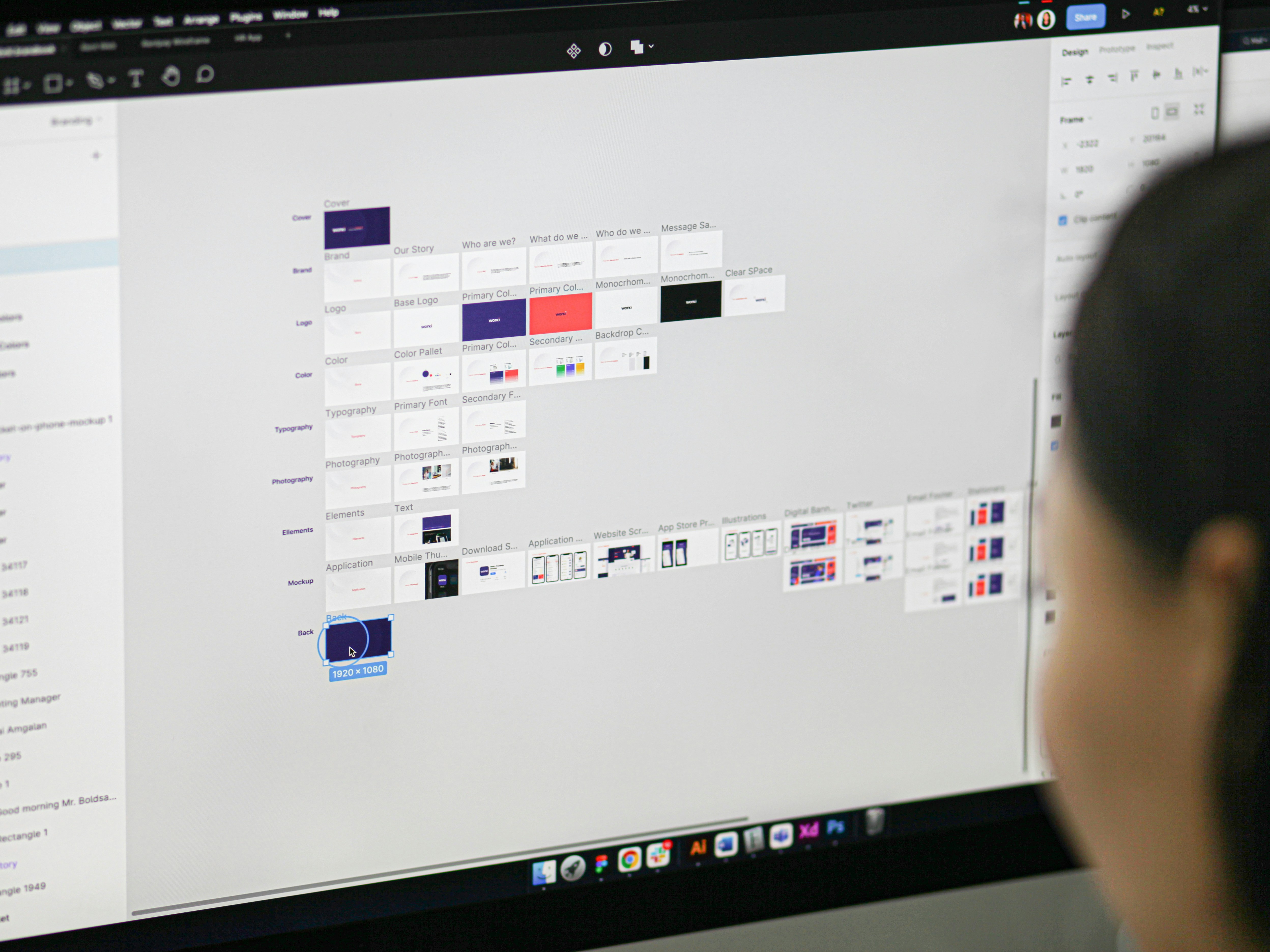
Shopify as your main ecommerce platform
Subscription apps for recurring billing and box management
Canva for branding, packaging design, and marketing creatives
Shopify is essential because it enables:
Subscription-based checkout systems
Automated recurring billing
Customer management dashboards
Scalable ecommerce infrastructure
Difficulty Level
This business is moderately difficult compared to digital-only products because it involves physical logistics.
The setup process includes:
Choosing a niche
Sourcing products
Designing your box concept
Building a Shopify store
Setting up subscription billing
Managing packaging and shipping
The main challenge is not selling—it is consistently delivering value every month.
Common difficulties include:
Managing inventory for boxes
Handling shipping logistics
Keeping subscription churn low
Finding reliable suppliers
Creating consistent box themes
However, once systems are in place, it becomes a stable recurring revenue model.
Skills Needed
You don’t need advanced business experience to start.
Important skills include:
Product curation and selection
Basic ecommerce understanding
Customer experience design
Organization and planning
Communication skills
Helpful skills:
Branding and packaging design
Supplier negotiation
Basic marketing and storytelling
Understanding customer retention
Most skills improve with experience and customer feedback.
Time to First Income
Time to first income depends on marketing and niche demand.
Possible timelines:
1–2 weeks with strong pre-launch marketing
3–6 weeks for first subscriptions organically
1–3 months for stable recurring revenue
Your speed depends on:
Niche appeal
Product quality in the box
Marketing strategy
Pre-launch audience building
Subscription businesses grow faster when you build anticipation before launch.
Pros & Cons
One of the biggest advantages of subscription boxes is predictable recurring revenue, which makes income more stable compared to one-time ecommerce sales.
Other benefits include:
Strong customer loyalty potential
Recurring monthly income
High perceived product value
Easy branding opportunities
Scalable ecommerce model
This business can grow into:
Full lifestyle brand
Curated product marketplace
Premium subscription company
International ecommerce brand
However, there are challenges.
Main disadvantages include:
Inventory management complexity
Shipping and logistics workload
Risk of customer churn
Need for continuous product sourcing
Higher operational involvement than digital products
Success depends heavily on customer experience and consistency.
How to Start
The first step is choosing a niche that supports repeat interest.
Good niche examples include:
Fitness and health
Beauty and skincare
Reading and personal development
Gaming and collectibles
Pet care products
Productivity and lifestyle tools
Next, define your first subscription box:
Choose 3–6 items per box
Set a strong theme
Calculate pricing and margins
Then build your store using:
Shopify as your core ecommerce platform
After that:
Set up subscription billing system
Source products from suppliers or wholesalers
Design packaging and branding
Before launch:
Build anticipation using social media
Share sneak peeks of the box
Collect early subscribers
Marketing strategies include:
Instagram reels showing unboxing experiences
TikTok product reveal videos
Influencer collaborations
Email marketing for retention
Focus on:
Strong first impression
High-quality packaging
Consistent monthly themes
Once stable, expand into multiple subscription tiers.
Best Tools & Platforms
Store platform:
Subscription management:
Shopify subscription apps
Design tools:
Supplier sourcing:
Local wholesalers
Online marketplaces
Marketing platforms:
These tools help you build, manage, and scale a subscription-based ecommerce brand efficiently.
Income Potential
Income depends on subscriber count and pricing.
Beginners may earn:
$100 to $1,000/month
Growing subscription brands:
$1,000 to $10,000/month
Established subscription businesses:
$10,000 to $50,000+/month
Recurring revenue makes this one of the most stable ecommerce models.
Profitability increases significantly as you scale subscribers.
Final Thoughts
A niche subscription box business is a powerful ecommerce model because it combines product curation, branding, and recurring revenue.
With Shopify as your foundation, you can build a fully automated subscription system that scales globally.
Success depends on strong niche selection, consistent quality, and customer experience.
With the right execution, this can grow into a long-term, highly predictable ecommerce brand.