Overview
A private label product brand is an ecommerce business where you take existing generic products from manufacturers, add your own branding, and sell them under your own brand name.
Unlike dropshipping, where you sell other suppliers’ products, private labeling focuses on building a real brand identity.
You typically:
Source products from manufacturers
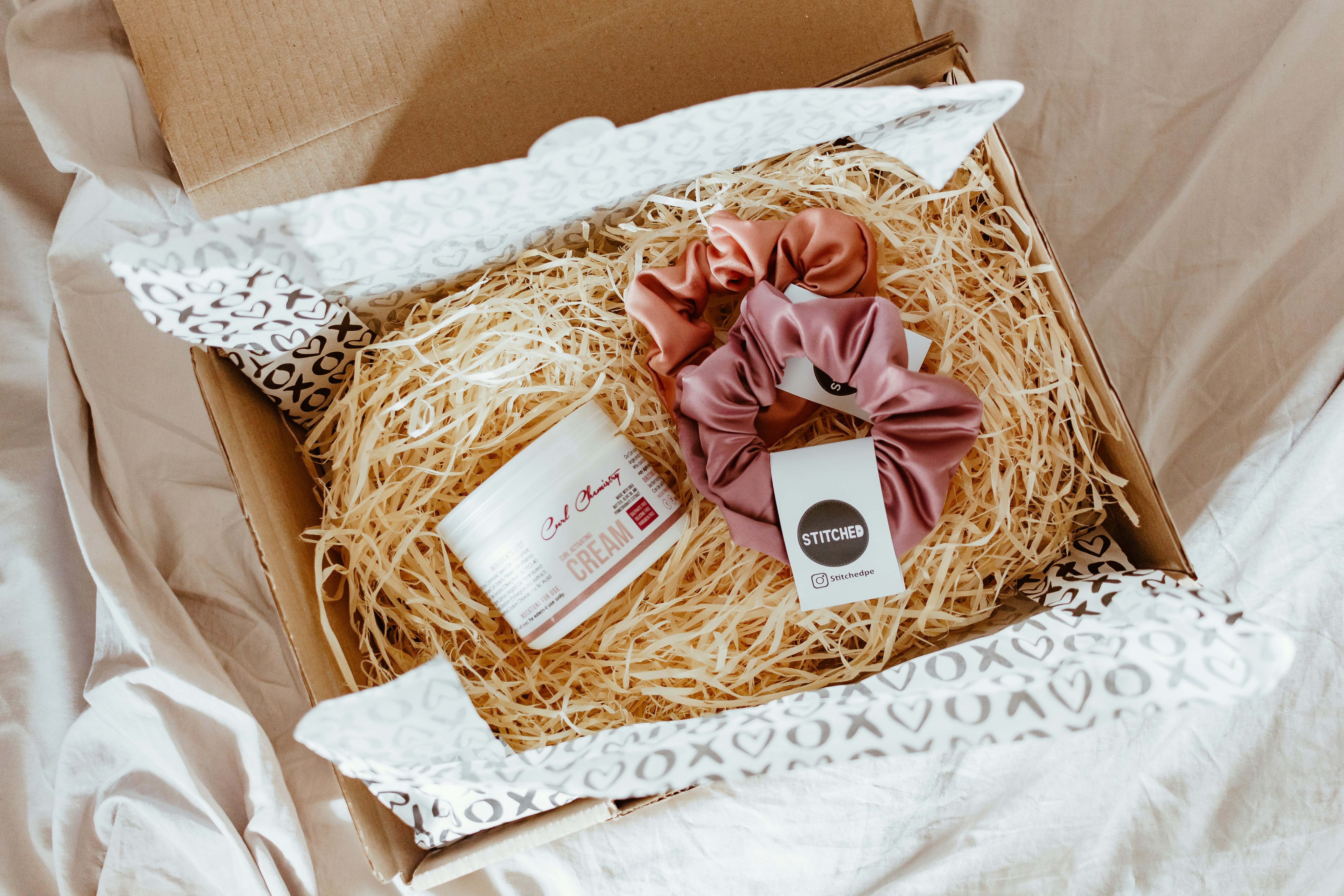
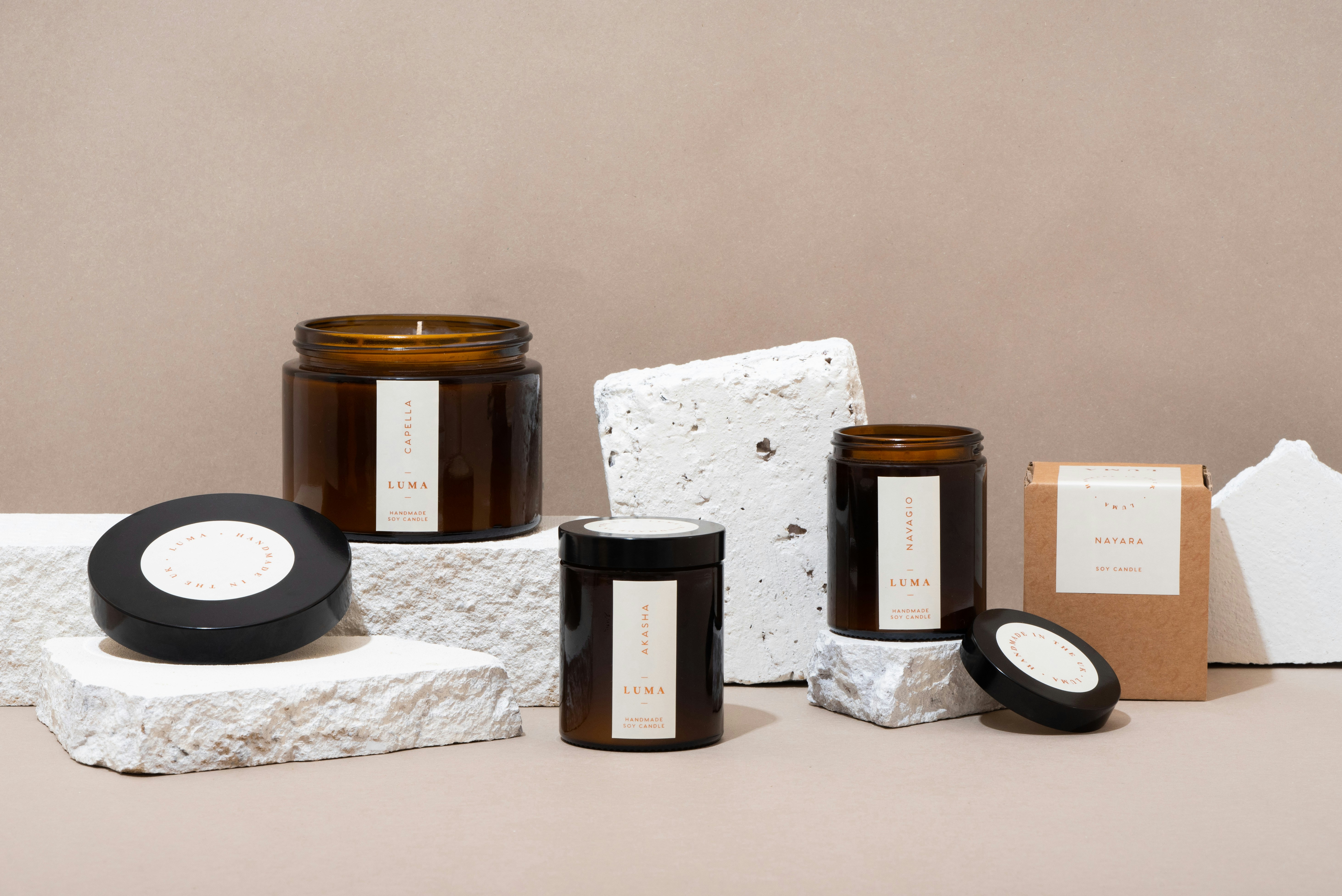
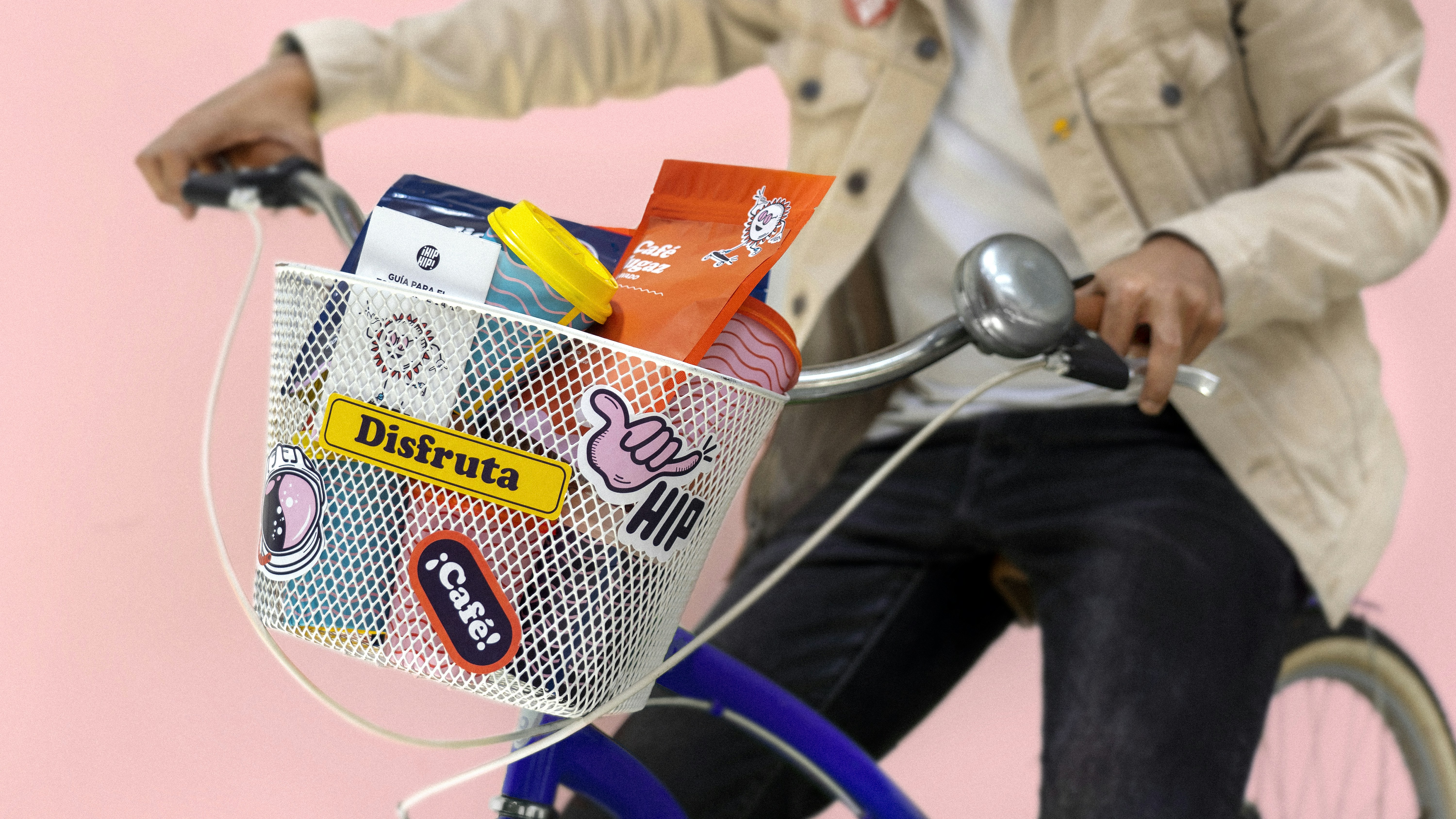
Add your logo, packaging, or custom design
Sell them under your own brand on Shopify
Common private label products include:
Skincare and beauty products
Fitness supplements (where allowed)
Home essentials
Kitchen tools
Accessories and lifestyle products
The goal is to turn a generic product into a brand customers trust and recognize.
A Shopify-based private label business allows you to:
Build a branded online store
Sell products globally
Control pricing and positioning
Scale into a long-term brand
This model is powerful because it shifts you from “reseller” to brand owner.
This business is ideal for:
Entrepreneurs
Long-term business builders
Ecommerce learners
Side hustlers ready to scale
Creators building a personal brand
You don’t need to invent new products—you just need to package and position them better.
Startup Cost
Private label businesses require more upfront investment than dropshipping or digital products, but still remain accessible for beginners.
Typical costs include:
Product sourcing (minimum order quantity)
Branding and packaging design
Online store setup
Initial inventory purchase
Optional expenses:
Product photography
Paid ads
Branding agency support
Most beginners start with $200–$1000 depending on product type and supplier requirements.
To build your store, you will typically use:
Shopify as your ecommerce platform
Manufacturing or sourcing platforms (local or international suppliers)
Canva for branding, packaging design, and product visuals
Shopify is essential because it allows you to:
Create a professional branded storefront
Sell under your own brand identity
Manage inventory and orders
Scale globally with ease
Difficulty Level
This business is moderately difficult due to sourcing and branding requirements.
The process includes:
Finding reliable suppliers
Negotiating product pricing
Designing branding and packaging
Managing inventory
Building a conversion-focused Shopify store
The hardest part is not selling—it is creating a brand that feels trustworthy and premium.
Common challenges include:
Supplier reliability issues
Minimum order quantity requirements
Quality control
Branding consistency
Higher upfront financial commitment
However, once you establish a reliable product, scaling becomes significantly easier than dropshipping.
Skills Needed
You do not need manufacturing experience, but you do need business thinking.
Important skills include:
Branding and positioning
Product research
Basic negotiation
Marketing fundamentals
Customer understanding
Helpful skills:
Copywriting
Design thinking
Ecommerce strategy
Supplier communication
Ad testing and optimization
Most skills improve with experience and iteration.
Time to First Income
Time to first income depends on product readiness and marketing execution.
Typical timelines:
2–4 weeks if product is ready and marketing starts immediately
1–3 months for first consistent sales
3–6 months to stabilize a brand
Your speed depends on:
Product-market fit
Branding quality
Marketing strategy
Inventory readiness
Private label businesses take longer to start but are stronger long-term.
Pros & Cons
One of the biggest advantages of private labeling is brand ownership. You are not selling someone else’s product—you are building your own brand asset.
Other benefits include:
Higher profit margins compared to dropshipping
Strong brand control
Better customer trust
Long-term scalability
Ability to expand product lines
This business can grow into:
Full ecommerce brand
D2C (direct-to-consumer) company
Multi-product lifestyle brand
International retail business
However, there are challenges.
Main disadvantages include:
Higher startup cost
Inventory risk
Supplier dependency
Longer time to validate products
Requires strong branding effort
Success depends heavily on product quality and brand positioning.
How to Start
The first step is choosing a niche with strong demand and repeat purchases.
Good niches include:
Skincare and beauty
Fitness and wellness
Home and kitchen essentials
Lifestyle accessories
Productivity tools and gadgets
Next, find suppliers who offer white-label or private-label options.
Then:
Design your brand identity (logo, packaging, name)
Order sample products
Test product quality
Once ready, build your store using:
Shopify as your core ecommerce platform
After that:
Upload branded products
Create high-quality product pages
Set pricing strategy
Then focus on marketing:
Instagram branding content
TikTok lifestyle videos
Influencer collaborations
Paid ads once validated
Focus early on:
Strong branding
Premium perception
Customer trust
Once validated:
Expand product line
Increase inventory
Scale advertising
Best Tools & Platforms
Store platform:
Design tools:
Supplier sourcing:
Local manufacturers
International sourcing platforms
Marketing platforms:
These tools help you build, brand, and scale a private label ecommerce business.
Income Potential
Income depends heavily on branding strength and product demand.
Beginners may earn:
$0 to $500/month (validation phase)
Growing brands:
$1,000 to $10,000/month
Established private label brands:
$10,000 to $100,000+/month
Private labeling has some of the highest long-term earning potential in ecommerce.
Profit increases significantly as brand trust grows.
Final Thoughts
A private label product brand is one of the most powerful ecommerce models because it transforms you from a reseller into a true brand owner.
With Shopify as your foundation, you can build, scale, and manage a global ecommerce brand with full control over pricing, positioning, and growth.
While it requires more effort upfront, it offers far greater long-term stability and profit potential.
With the right niche and execution, this can evolve into a serious D2C business or full-scale ecommerce company.